Whether you’re arranging your first scrap car collection or just want to understand how it all works, we’ve got you covered.
Scrap Local provides free scrap car collection across the UK, including non-running, damaged, SORN and MOT-failed vehicles.
Below, our experts explain the entire process step by step, answering your most frequently asked questions, from booking your free pickup to what happens after your vehicle is taken away.
We’ve helped thousands of UK drivers recycle their vehicles safely through our trusted network of Authorised Treatment Facilities, and we’ve created this knowledge centre to answer the questions we hear every day.
Search by topic below or explore our most popular guides.
200+ expert articles & FAQs
Hundreds of 5 star reviews
A network of approved scrapyards
Guaranteed Prices with Scrap Local
Search expert answers covering scrap cars, paperwork, payments, collections, vehicle recycling, salvage vehicles, used parts and much more.
What is Scrap Local?
Can I sell a salvage car?
About Scrap Local
Learn who we are, what we do and why thousands of UK drivers trust us to recycle their vehicles.
How Vehicle Recycling Works
Understand the journey of your vehicle from collection to recycling and everything in between.
Need more help?
Can't find what you're looking for? Contact us direct and our friendly staff will be happy to help.
Find out Everything you need to know before booking your scrap car collection, including free collection, available time slots, vehicle condition, access requirements and what happens if your car doesn’t run.
Booking a scrap car collection with Scrap Local is quick and straightforward.
Start by entering your vehicle registration and postcode into our online quote form.
We’ll use your vehicle details and location to provide an initial valuation before a member of our team calls you to confirm some additional information.
We’ll ask about the vehicle’s condition, location, accessibility and anything that could affect its value or collection.
Once the details have been confirmed and you’re happy with the price, we’ll arrange a suitable collection date.
Scrap Local offers free vehicle collection across our UK network, and we’ll confirm your available collection window when your booking is arranged.
On collection day, your recovery driver will normally contact you before arriving.
Provided the vehicle matches the details confirmed with us, your agreed Scrap Local price is guaranteed.
Yes. Scrap Local provides free scrap car collection across our UK collection network.
There are no standard call-out, administration or vehicle collection fees deducted from your agreed price.
Your price is also guaranteed, provided the vehicle matches the description and condition confirmed with Scrap Local before booking.
This includes vehicles that can’t be driven to a scrapyard themselves, such as many non-runners, MOT failures and accident-damaged vehicles.
Scrap Local can arrange vehicle collection from locations across the UK, provided the vehicle can be accessed safely by the recovery driver.
We regularly arrange collections from:
If the vehicle isn’t at your home address, that’s fine. Just provide the actual collection postcode and location when booking.
Cars parked underground, behind gates, in narrow streets or in other restricted locations may require additional planning, so tell our team about any access restrictions beforehand.
Yes, as long as our recovery trucks can safely access the location, your scrap car doesn’t need to be at your home address for Scrap Local to collect it.
We can arrange collection from garages, mechanics, and other suitable premises, subject to safe access and permission to release the vehicle.
This is particularly useful if your car has suffered a mechanical failure, failed its MOT or been taken to a garage and you’ve decided the cost of repairing it isn’t worthwhile.
When booking, give us the garage’s address as the collection location and let us know about any opening hours or access requirements.
You should also make sure the garage knows the vehicle is being collected and is happy to release it to our recovery driver.
Potentially, but it depends on the vehicle’s location and whether it can be recovered safely and legally.
A vehicle on a public road must not create an obstruction or put the recovery driver, other road users or pedestrians at risk.
When requesting your collection, tell Scrap Local exactly where the vehicle is located and describe any potential access issues. Our team can then determine whether a normal recovery vehicle can safely collect it.
If your car has broken down in a dangerous position or is obstructing traffic, don’t rely on a future scrap collection as emergency roadside recovery. Appropriate breakdown or emergency assistance should be used first to make the vehicle safe.
In some circumstances, yes, provided a suitable recovery vehicle can safely access the vehicle.
Underground and multi-storey car parks can create additional challenges because recovery vehicles are significantly larger than normal cars.
Tell us about:
Providing the information when booking allows Scrap Local to determine whether collection is possible and arrange suitable recovery equipment where available.
Scrap Local offers morning and afternoon collection windows rather than guaranteed individual arrival times.
Our standard collection windows are:
If you have a particular requirement, such as needing collection after 3:00 pm, tell us when booking. We’ll do our best to accommodate it, but a specific arrival time cannot be guaranteed.
Recovery routes can change because of traffic, previous collections, journey distances and unexpected delays.
Your driver will normally contact you 30–60 minutes before arrival.
If your availability changes, contact Scrap Local as early as possible so we can rearrange your collection.
Scrap Local can often arrange same-day or next-day scrap car collection, subject to availability in your area.
The earliest available collection will depend on your location, the vehicle’s condition, access requirements and the schedule of the recovery agents operating nearby.
You don’t have to choose the earliest appointment. If you’re planning, we can also arrange collection for a later available date.
If you need your vehicle removed urgently, tell the team when requesting your quote, and we’ll check the earliest collection available in your area.
Yes. Your car does not need to start or be roadworthy for Scrap Local to collect it.
Non-runners make up a significant proportion of vehicles requiring scrap collection, including cars with:
Recovery vehicles can use equipment such as winches to load vehicles that cannot drive onto the transporter themselves.
However, it’s important to tell us that the vehicle doesn’t run when requesting your quote. You should also mention problems that could make recovery more difficult, such as locked brakes, missing wheels or steering issues.
This allows us to arrange the appropriate recovery vehicle rather than discovering the problem when the driver arrives.
Not necessarily, but Scrap Local needs to know about any problems before the collection is arranged.
A vehicle that doesn’t start can often be winched onto a recovery transporter.
However, a car that cannot roll or steer, has seized brakes or is missing wheels may require different recovery equipment.
Tell our team if:
Standard collection may not be possible for every vehicle. For example, a vehicle with no wheels can require specialist lifting equipment that isn’t available through every collection agent.
Being accurate about the vehicle’s condition allows us to tell you what’s possible before booking.
Scrap Local can collect many incomplete vehicles, but what’s missing can affect both the recovery process and what we’ll need from you.
Always tell us what’s missing before booking. Missing keys, wheels or major vehicle components can affect collection arrangements and potentially the vehicle’s valuation.
Scrap Local can arrange collection for most cars, vans, 4x4s and light commercial vehicles in a wide range of conditions.
This includes many:
Collection requirements vary depending on the vehicle’s size, weight, condition and accessibility, so unusual or specialist vehicles should always be discussed with our team first.
If your vehicle still has usable value rather than being suitable only for scrap, Scrap Local may also explore its salvage value to help you achieve the best available price.
Yes. Scrap Local can arrange collection for many accident-damaged vehicles and insurance write-offs.
Depending on its condition, your vehicle may be worth more as salvage than for its raw scrap value.
For salvage vehicles, we may ask you to provide photographs and additional information about the damage. Scrap Local can then use its approved buyer network to establish the best available valuation before arranging collection.
Tell us if the vehicle:
This allows us to value and recover it appropriately.
Yes, but if you want to keep your private or personalised registration, deal with it before the vehicle is scrapped.
You can apply to the DVLA to take the registration number off the vehicle and either transfer it to another eligible vehicle or retain it for future use.
Don’t assume you’ll be able to recover a personalised registration after the vehicle has been destroyed. Complete the retention or transfer process before collection where necessary and tell Scrap Local if the vehicle’s registration changes as a result.
If you don’t want to retain the registration, the vehicle can normally be collected with its existing number plates attached.
Yes. Scrap Local can collect vehicles that have been declared SORN (Statutory Off Road Notification).
A SORN vehicle normally needs to remain off the public road, which makes professional collection particularly useful if you decide to scrap it.
You don’t need to tax the vehicle simply for Scrap Local to transport it using a recovery vehicle.
Make sure the vehicle is somewhere the recovery driver can legally and safely access and tell us about any access restrictions when booking.
After handover, you remain responsible for ensuring the DVLA is notified that the vehicle has been transferred or scrapped.
Our team can explain the process, and our dedicated DVLA & Documentation FAQs cover the paperwork in detail.
An abandoned vehicle is different from scrapping a vehicle that you own.
You cannot simply sell or scrap a vehicle because it has been left outside your property or on your land. Ownership and authority to remove it must first be established.
Abandoned vehicles on public land should normally be reported to the relevant local authority. Different procedures may apply to vehicles left on private land.
If you are legally authorised to dispose of the vehicle, contact Scrap Local with the circumstances and any relevant documentation so we can advise whether our network can assist.
For legal and security reasons, someone must be present during collection.
If you can’t attend the collection personally, you can nominate someone aged 18 or over to act on your behalf.
They’ll need:
We cannot collect unattended cars or those where the keys or paperwork have been left hidden.
This keeps the process compliant, transparent, and protects you from any liability.
If your availability changes, please let us know, and we’ll rebook your collection free of charge.
Some recycling facilities within Scrap Local’s network accept vehicles directly, while others operate through arranged collection.
Our standard service includes free vehicle collection, so in most cases there is no need to drive or transport the vehicle to the scrapyard yourself.
If you’d prefer to deliver the vehicle, tell us before booking, and we’ll check whether your assigned facility accepts customer drop-offs.
Never drive a vehicle that isn’t roadworthy, insured or otherwise legally permitted to be used on the road simply to take it to a scrapyard.


Know what to expect when your recovery driver arrives, including what you’ll need for the handover, how your vehicle is loaded and what happens if your plans change.
Before your recovery driver arrives, have the relevant vehicle documents and identification ready.
Scrap Local will normally ask you to prepare:
You should also:
Don’t worry if you’re missing the V5C or keys; collection may still be possible. Tell us beforehand so we can confirm exactly what will be required for your particular vehicle.
Yes. Remove all personal belongings from your vehicle before handing it over.
Check areas that are easy to overlook, including:
You should also remove items you intend to keep, such as phone holders, dashcams or personal accessories.
Once the vehicle has entered the recycling or salvage network, retrieving forgotten belongings can be difficult or impossible.
Number plates can normally remain on the vehicle unless you’re retaining a personalised registration.
Yes. Scrap Local’s collection drivers will normally contact you approximately 30–60 minutes before arrival.
This gives you time to make sure:
Recovery routes can occasionally be affected by traffic, previous collections or other delays, so the driver’s call provides a more useful indication of their expected arrival than the original AM or PM window alone.
Keep the phone number supplied with your booking available on collection day.
The actual handover and loading process is usually relatively quick when the vehicle is accessible and everything is ready.
The exact time depends on factors such as:
A vehicle on an accessible driveway will be much quicker to collect than a non-running vehicle with seized wheels in a restricted location.
You don’t need to rush the handover. The driver needs sufficient time to confirm the vehicle and load it safely.
No. You won’t be expected to physically load your vehicle onto the recovery transporter.
The recovery driver is responsible for safely loading and securing the vehicle using the appropriate equipment.
Your job is simply to make sure the vehicle is accessible and tell us beforehand about anything that could make loading difficult.
Don’t attempt to push, lift or move a damaged vehicle yourself if it isn’t safe to do so.
Yes. If you can’t attend personally, another adult can hand the vehicle over on your behalf, provided Scrap Local knows in advance.
Your nominated person should be aged 18 or over and have the identification, keys and vehicle documentation required for the collection.
Tell our team who will be present when arranging or amending the booking so the recovery driver knows who to expect.
Don’t leave an unattended vehicle with the keys or paperwork hidden for collection.
Someone needs to be present to complete the handover.
The driver will check the vehicle at collection to ensure they’re collecting the correct car and that its condition broadly matches the information provided during the booking process.
This is particularly important where the price was based on factors such as:
Scrap Local confirms these details with you beforehand specifically to reduce surprises at collection.
If something significant changes between booking and collection, for example, a major component is removed, contact us before the driver arrives.
Your confirmed Scrap Local price is guaranteed, provided the vehicle matches the details and condition agreed with us.
We call to confirm the vehicle’s details before arranging collection, so the price is based on accurate information rather than being unexpectedly renegotiated when the recovery driver arrives.
If the vehicle has materially changed or important information wasn’t disclosed, for example, major components have since been removed, its valuation may need to be reassessed.
If anything changes after booking, contact Scrap Local beforehand.
Scrap Local records the vehicle collection against your booking, creating a record that the handover has taken place.
Your V5C is used as part of the process for updating the DVLA about the vehicle’s transfer. You should make sure the DVLA is correctly notified after handover and retain any relevant confirmation for your records.
If an eligible vehicle is permanently destroyed at an Authorised Treatment Facility, a Certificate of Destruction (CoD) may also be issued as official confirmation of its destruction.
A collection record, V5C/DVLA notification and Certificate of Destruction serve different purposes, so don’t rely on one document as a substitute for all of them.
Yes. If your plans change, contact Scrap Local as soon as possible, and we’ll arrange another available collection date.
Giving us plenty of notice is particularly important for same-day or next-day bookings because your collection has already been added to a driver’s route.
If the driver has already travelled to the collection after confirming attendance and the vehicle cannot be handed over, this may be treated differently from an advance rearrangement and could affect a subsequent valuation because additional recovery costs have been incurred.
The easiest way to avoid this is simple: tell us as soon as you know you won’t be available.
Your vehicle needs to be safely accessible when the recovery driver arrives.
Before collection:
If the driver cannot safely reach or load the vehicle, the collection may need to be rearranged.
If you discover an access problem beforehand, contact Scrap Local rather than waiting for the driver to arrive. We may be able to change the collection arrangements or advise what needs to be done.
Contact Scrap Local as soon as possible if you realise you’ve missed your collection.
If a driver arrives after the collection has been confirmed but nobody is available to hand over the vehicle, the collection cannot normally proceed.
We can arrange another collection, but a failed journey may affect the price available for the rearranged booking because the recovery agent has already incurred transport and operating costs.
If your plans change before the driver sets off, contact us straight away. Advance notice gives us the best chance of rearranging the booking without a wasted journey.
Recovery routes can occasionally run behind schedule because of traffic, difficult earlier collections or unexpected delays.
If your driver is running late, they or the Scrap Local team should keep you informed where possible.
Because we use AM and PM collection windows rather than exact appointment times, allow the full agreed window before assuming your collection has been missed.
If your collection window has passed and you haven’t received an update, contact Scrap Local and we’ll check the driver’s progress.
Once your vehicle has been collected, there are a few final steps to complete.
Find out about payment, DVLA notification, Certificates of Destruction and what happens to your vehicle next.
After collection, your vehicle is transported through Scrap Local’s approved network.
If it is being permanently scrapped, it will be processed through an Authorised Treatment Facility (ATF) where end-of-life vehicles can be legally depolluted, dismantled and recycled.
The process can include:
Not every vehicle we collect necessarily follows the same route. Vehicles with sufficient salvage or reuse value may be handled differently rather than being destroyed immediately.
Our dedicated vehicle recycling resources explain what happens inside an ATF in much greater detail.
Once your collection has been successfully confirmed, your booking is added to Scrap Local’s payment process.
Our daily payment run takes place between 5:00 pm and 7:00 pm, and payments typically clear by the following working day.
Make sure Scrap Local has your correct bank details before collection to help avoid unnecessary delays.
Payment is made by secure bank transfer rather than cash.
For questions about payment times, bank details, delayed payments and why cash payments aren’t permitted, visit our dedicated Scrap Car Payment FAQs.
If an eligible car, light van or qualifying three-wheeled vehicle is permanently scrapped at an Authorised Treatment Facility, a Certificate of Destruction (CoD) is issued as confirmation that it has been destroyed.
A CoD doesn’t apply in every situation. For example, a vehicle that enters the salvage network for repair or resale hasn’t been permanently destroyed and therefore follows a different process.
If you need a Certificate of Destruction for your records, insurer or a scrappage scheme, tell Scrap Local so we can help you understand what applies to your vehicle.
Our dedicated DVLA FAQs explain when a CoD is issued, how long it takes and what to do if you haven’t received one.
Yes. As the registered keeper, you are responsible for making sure the DVLA is notified when your vehicle is transferred for scrapping.
The easiest way is normally to use the appropriate DVLA online service. The details required will depend on how the vehicle has been transferred and the information on your V5C logbook.
Where a vehicle is permanently destroyed, the Authorised Treatment Facility also has responsibilities connected with recording its destruction and issuing a Certificate of Destruction where applicable.
Don’t simply assume that handing your keys to a recovery driver automatically ends your responsibilities as the registered keeper.
Scrap Local can guide you through the process, and our DVLA & Documentation Help Centre explains exactly what you need to do.
A SORN doesn’t mean you can forget about the DVLA when the vehicle leaves your possession.
Once your SORN vehicle has been handed over for scrapping, make sure the DVLA is correctly notified of the transfer. If the vehicle is permanently destroyed, the relevant ATF process will then apply.
Any vehicle-tax implications are handled according to the vehicle’s DVLA record.
A SORN vehicle shouldn’t normally have active vehicle tax to refund because it has already been declared off the road.
For detailed information about SORN, road tax, V5C paperwork and notifying the DVLA, use our dedicated DVLA FAQs rather than relying solely on your collection paperwork.
Vehicle recycling is just one part of the journey.
Our growing library of guides covers scrap cars, salvage vehicles, used parts, recycling, road safety, metal recycling and much more.
Whether you’re looking for expert advice or simply want to learn something new, you’ll find helpful resources below.
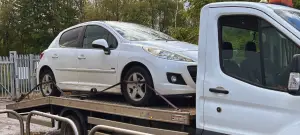
Finding a legitimate scrap vehicle buyer near you doesn’t have to be stressful, but it pays to know what you’re looking for. With hundreds of buyers operating across the UK, from licensed Authorised Treatment Facilities to salvage specialists, this guide walks you through everything: how to find and verify a
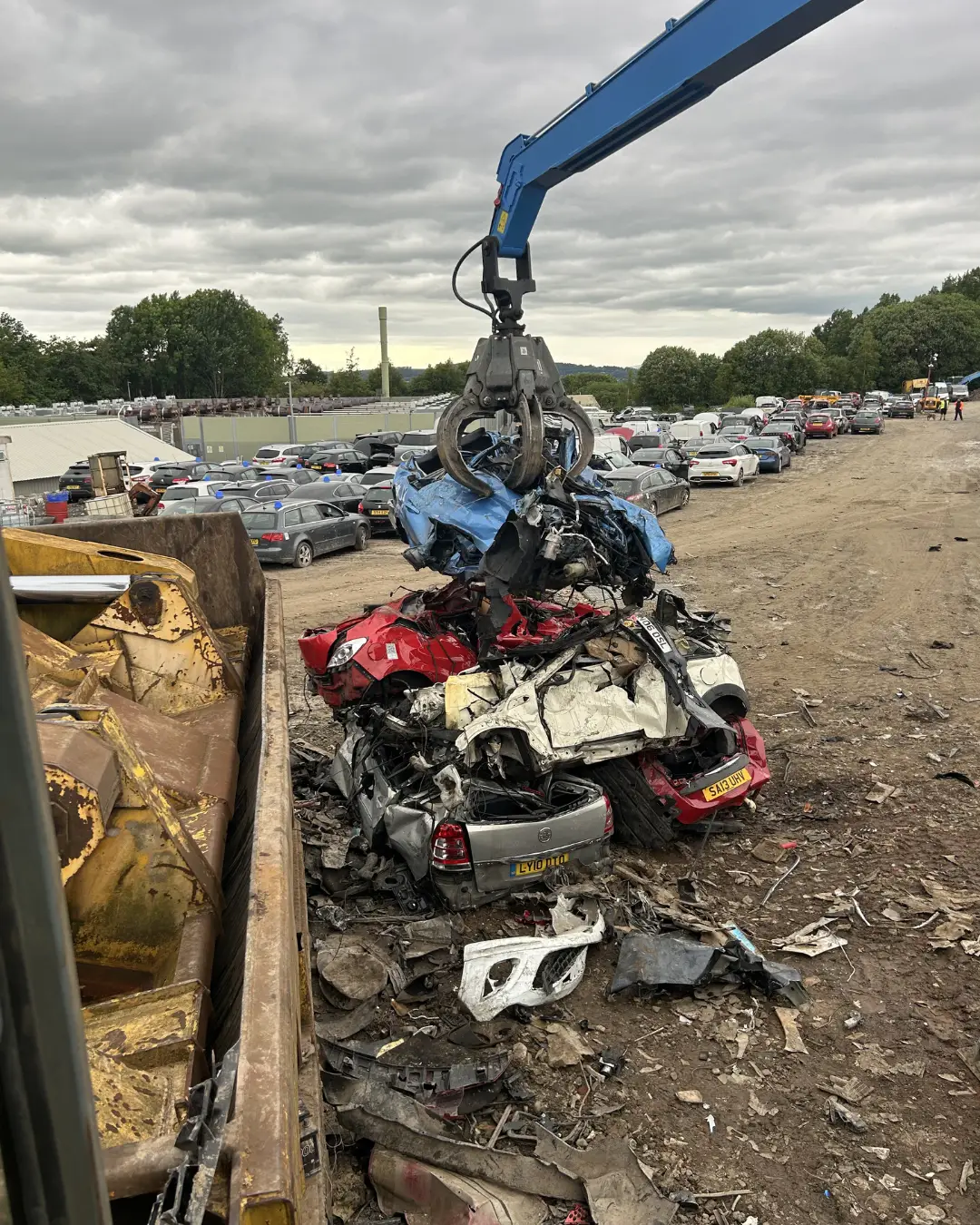
Every vehicle is different. A car that starts and sits on an open driveway is straightforward to recover; a damaged non-runner in an underground car park may need a completely different approach.
That’s why Scrap Local confirms the important details before collection.
If you’re unsure whether we can collect your vehicle, tell us:
Our team can then explain your options, provide a quote and arrange the most appropriate collection available through our network.






Choose a service & we’ll search our network to find you the best scrapyard for your enquiry!
Scrap Local has hundreds of UK-licensed scrap car buyers ready to buy your scrap car.