When a vehicle reaches the end of its life, it must be handled with care to prevent harmful materials from entering the environment.
In the UK, only Authorised Treatment Facilities (ATFs) are licensed to depollute cars using specialist systems designed to remove fluids, gases, and hazardous components safely.
At Scrap Local, the vehicles we process are depolluted using a Green Car Depollution system, which ensures all fluids are collected and stored securely.
In this guide, we look at what depollution involves, why it’s required by law, and how it supports sustainable vehicle recycling.
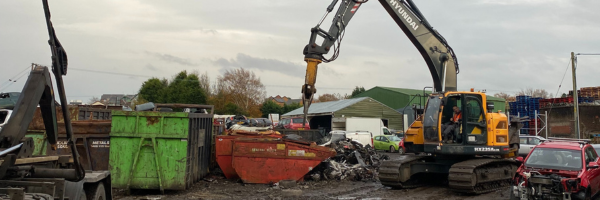
Depollution is the controlled process of removing all hazardous materials from an end-of-life vehicle before it can be dismantled, recycled, or crushed.
This includes fuel, oils, coolants, battery acids, refrigerants, airbags, and other components that could pose a risk to the environment or public health if incorrectly handled.
Depollution is a legal requirement under the UK’s End-of-Life Vehicle (ELV) Regulations.
ATFs must ensure that environmentally damaging fluids and materials are removed and stored properly to prevent soil contamination, water pollution, and fire hazards.
This protects surrounding communities and helps maintain high recycling and recovery rates across the industry.
Who Can Legally Depollute a Car?
Only licensed Authorised Treatment Facilities are permitted to depollute vehicles in the UK.
These facilities are equipped with specialist machinery, trained staff, and secure storage areas needed to handle hazardous waste safely.
Depollution involves chemicals, fuels, gases, and components that require professional equipment and controlled storage.
Attempting this process at home is unsafe and illegal.
Without proper containment systems, these substances can leak, ignite, or damage the environment.
ATFs ensure every step is carried out safely and in line with environmental legislation.
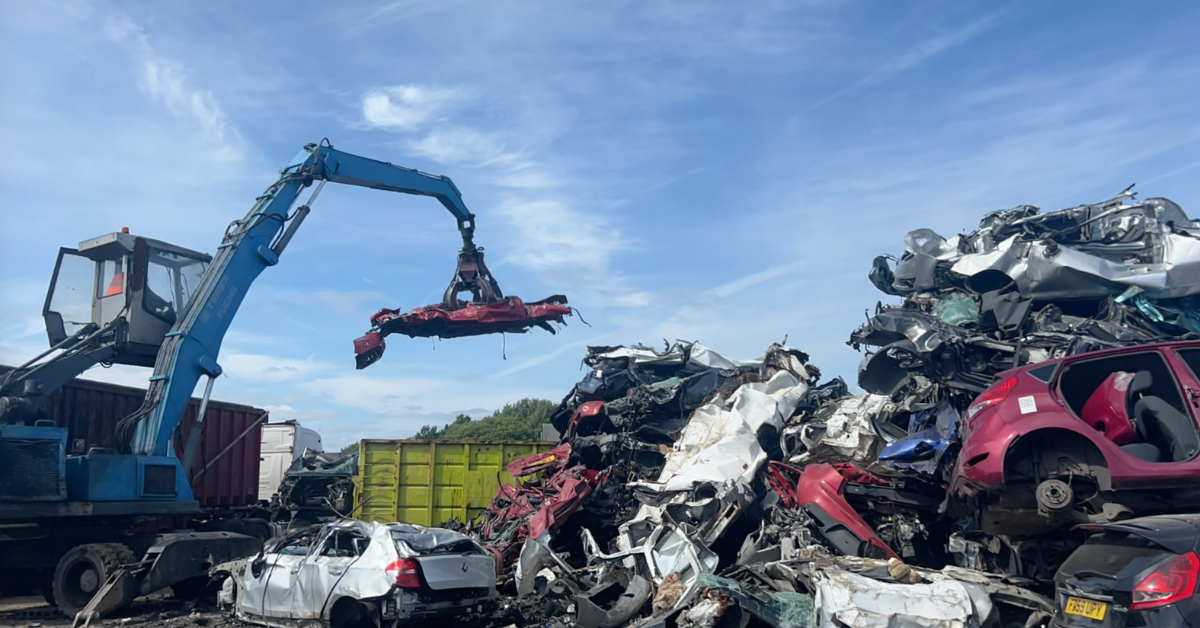
Depollution follows a structured sequence to ensure every hazardous element is removed safely.
On arrival, the vehicle is inspected, logged, and assigned to the correct area within our yard.
Details such as the vehicle’s condition and any salvageable parts are recorded before it’s moved to the depollution bay.
Batteries are removed early due to their chemical content and fire risk.
Airbags and seatbelt pretensioners are handled with care to prevent accidental deployment.
Using sealed rigs and vacuum extraction tools, any remaining fuel is removed from the tank and fuel lines.
This prevents leaks and reduces fire risk.
All fluids are extracted using controlled systems. Scrap Local’s yard uses a Green Car Depollution system, which securely collects oils, coolants, lubricants, and hydraulic fluids.
These materials are stored in labelled containers and collected by licensed waste partners.
Refrigerant gases are captured using certified F-Gas recovery units to stop them from escaping into the atmosphere.
Tyres, catalytic converters, filters, and other contaminated parts are removed and separated for proper disposal or recycling.
All removed fluids and components are stored in bunded areas designed to contain leaks and prevent environmental damage.
Each material is segregated for compliant disposal or recycling.

Depollution relies on specialist equipment to ensure safety and efficiency.
This system is used by Scrap Local to drain all essential fluids in a clean, controlled way. It reduces the risk of spills, improves recycling efficiency, and supports environmental compliance.
The Powerhand plays a key role in efficient material recovery.
It’s used to remove wiring looms and other components that can be safely extracted before recycling.
The Powerhand allows these materials to be separated quickly and placed directly into the correct skips, improving recycling quality and reducing waste.

Once depolluted, a vehicle becomes safe to dismantle or crush.
If the vehicle has reusable parts, they may be removed before further processing. Otherwise, the shell is crushed and sent to metal shredding facilities where materials like steel, aluminium, and copper are recovered.

Depollution protects the environment, prevents contamination, and ensures vehicles are recycled responsibly. It also plays a key role in achieving the UK’s recycling and recovery targets.
Compliance helps the UK meet the goal of recovering and recycling at least 95% of each end-of-life vehicle. Proper depollution ensures the process remains safe, efficient, and environmentally responsible.
Scrap Local works with trusted ATFs and utilises its own yard to ensure every vehicle is handled safely and in line with UK regulations.
Using professional depollution systems, we maintain high standards across both environmental and operational practices.
For more information on the wider scrapping process, see our guide on what happens when you scrap a car.
If you’re new to vehicle recycling, these FAQs cover the essentials of how ATFs safely depollute vehicles and what happens during this part of the scrapping process.
Car depollution is the process of removing all hazardous materials from a vehicle before it is dismantled or recycled.
Depollution involves hazardous fluids, gases, and chemicals that require professional equipment and licensed facilities. Attempting this at home is against UK regulations and dangerous.
ATFs remove fuel, engine oil, brake fluid, coolant, power steering fluid, and air-conditioning refrigerants.
It safely extracts fluids using sealed systems that prevent spills and ensure all hazardous materials are captured and stored securely.
Once depolluted, the vehicle may be dismantled for parts or crushed and sent for metal recycling.
Founder & MD of Scrap Local
Choose a service & we’ll search our network to find you the best scrapyard for your enquiry!
Scrap Local has hundreds of UK-licensed scrap car buyers ready to buy your scrap car.