Cat converter theft has been one of the fastest-growing types of vehicle crime in the UK since 2019.
Over 100,000 catalytic converters were stolen in the UK from 2019 to 2022, and while recent years have seen a decline, the threat remains real for owners of hybrid cars, SUVs and vans.
Here’s everything you need to know about prevention, detection and next steps.
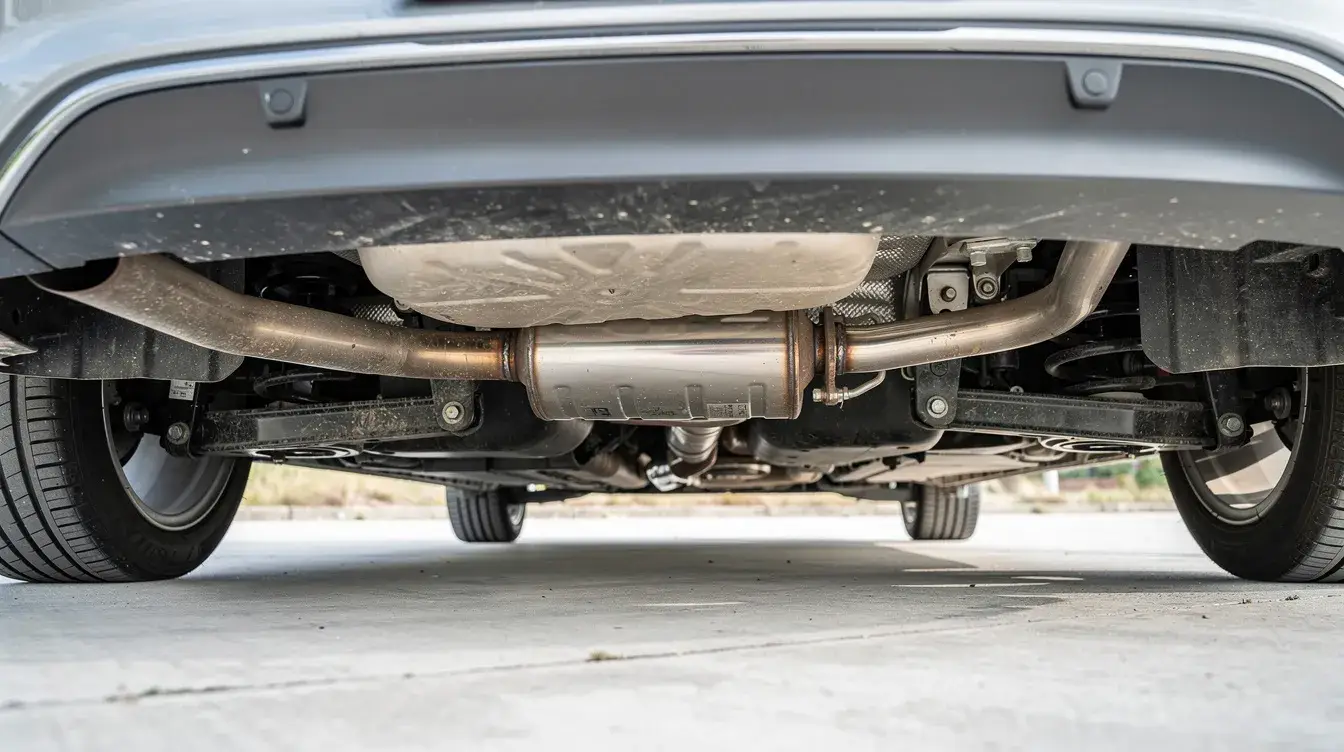
UK catalytic converter theft surged after 2019, and the parts are easily accessible from under a vehicle and can be removed in roughly 60 seconds with cordless power tools. Cheap cages and basic clamp-on guards can be cut through in minutes, so relying on a single measure is a gamble. Layers of protection are essential.
Here’s what you can do right now:
No single product is foolproof, but combining parking choices, physical guards, alarms and marking gives you the best chance to prevent catalytic converter theft. Products like the Catstrap offer 99.75% success in preventing converter theft, and the CatClamp’s design makes it difficult for thieves to cut through – both worth researching.
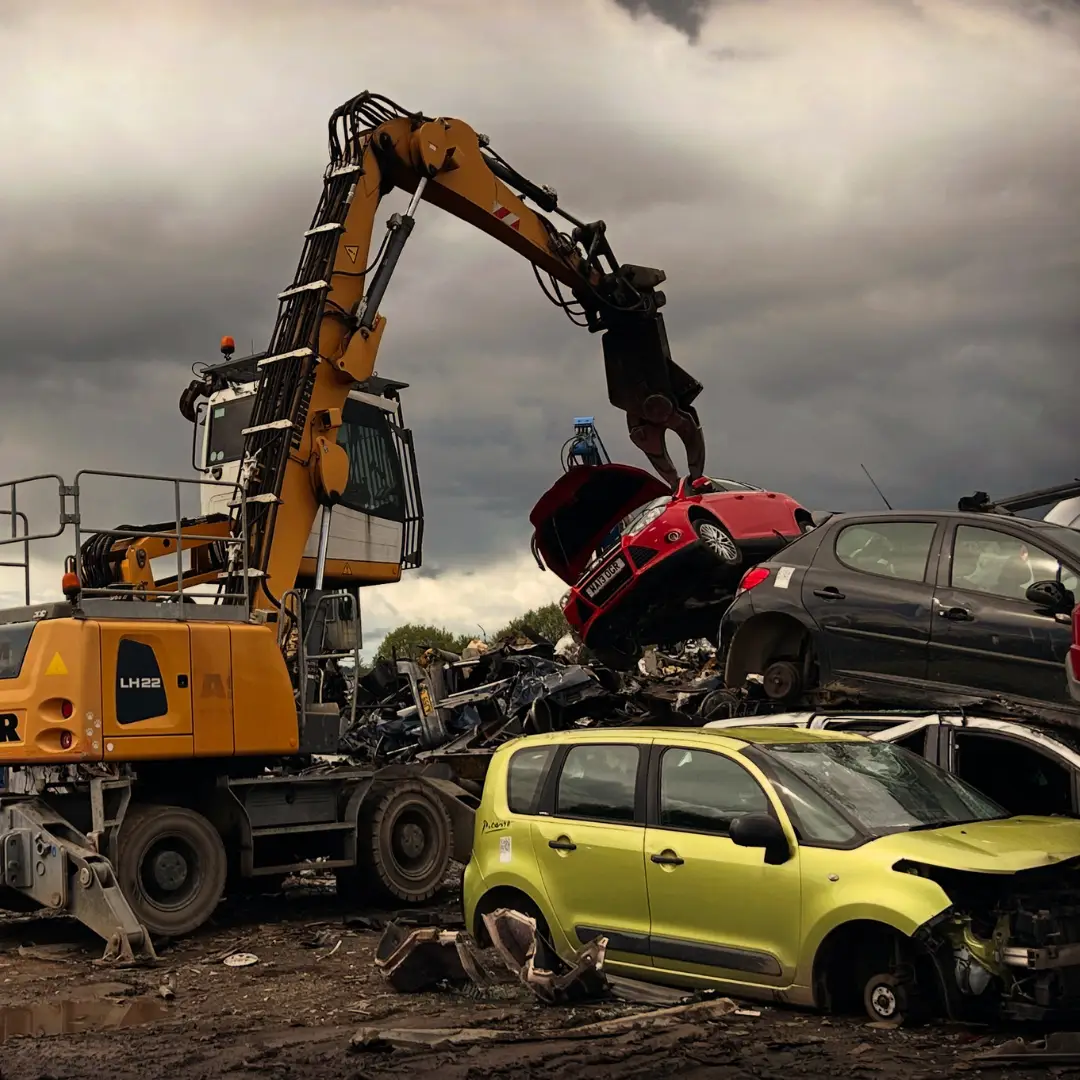
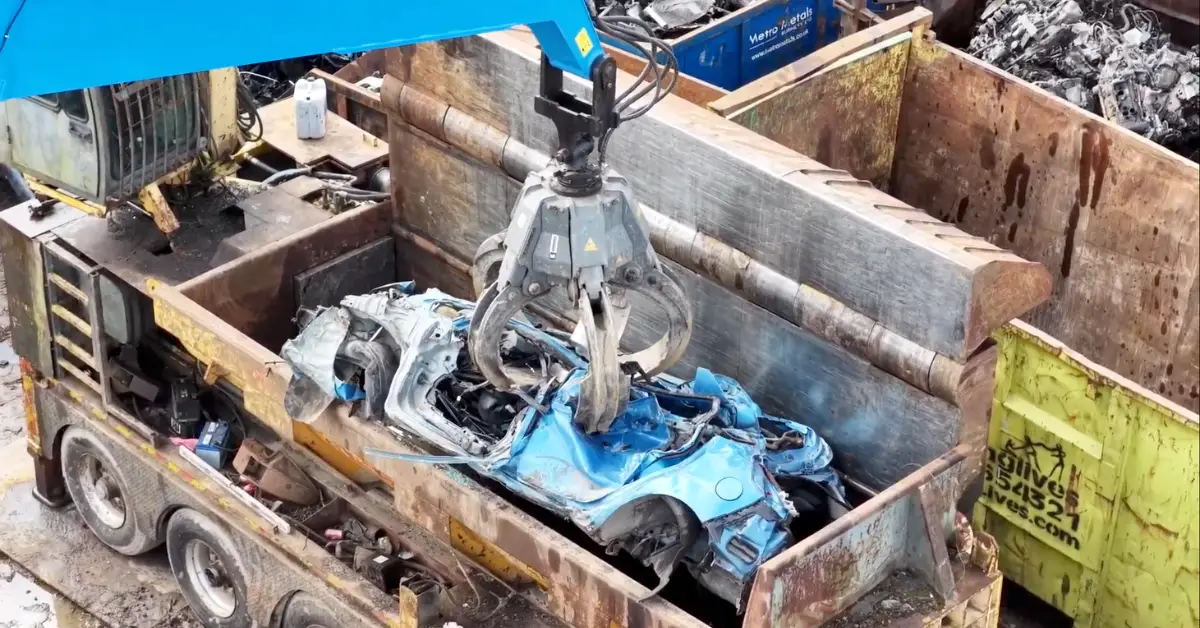
If you already have a stolen catalytic converter or badly damaged exhaust system, Scrap Local can collect the vehicle for scrap or salvage anywhere in the UK through their nationwide car scrapping service. More on that below.
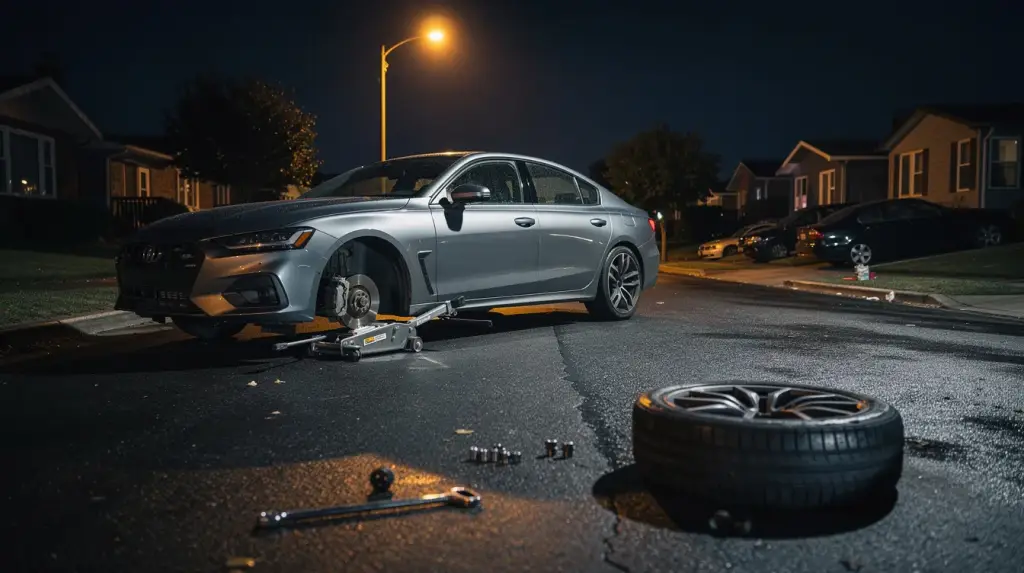
A catalytic converter is a metal canister bolted into your car’s exhaust system. Inside is a ceramic or metallic honeycomb coated with precious metals – primarily platinum, palladium and rhodium – that convert toxic combustion gases into less harmful emissions like CO₂ and water vapour.
Since around 1993, every new petrol car sold in Europe has needed one to meet emissions laws, and most modern diesels use oxidation catalysts or combined DPF-cat systems too.
The reason criminals target them is simple: those precious metals. Catalytic converters contain valuable metals like platinum and rhodium, and the market value of the metals inside a catalytic converter can be worth more than gold by weight.
Rhodium spiked above £10,000 per ounce around 2021, and even a tiny amount of palladium or platinum adds significant value. Catalytic converter theft is a widespread issue driven by the high value of precious metals inside these devices.
Stolen catalytic converters are sold on the black market for a quick profit, either as whole units into the illegal spares trade or broken down for their metal content.
On a typical hatchback or SUV, the converter sits in the exhaust system beneath the car between the engine and the rear silencer – a bulged metal box you can often spot from the side if you crouch down.
Note that driving without a catalytic converter is illegal and can damage the vehicle’s engine, and your car will almost certainly fail its MOT.
Catalytic converter theft became a major UK problem from 2019 onwards, with tens of thousands of incidents recorded and detection rates hovering in the low single digits.
Thefts increased fourfold from 16,660 claims in 2020 to 64,701 in 2022, and 97,023 catalytic converters were stolen in the UK between 2020 and 2022 alone.
Hotspots include London, the Midlands and the North West.
Replacing a catalytic converter can cost an average of around £1,300 depending on the vehicle, but hybrid and premium models can push that well above £2,000 once you factor in damaged O2 sensors, cut wiring and exhaust pipe repairs. In most cases, extra damage to brake lines or fuel lines can tip an older car into write-off territory.
The vehicles targeted most often include the Toyota Prius and Auris hybrids, Honda Jazz, Lexus RX and CT, and vans like the Ford Transit. Scrap Local regularly sees vehicles across Lancashire written off due to converter theft, as well as Greater Manchester and Merseyside, purely because of converter theft damage – this is not just a London problem.
Converter theft is fast, brazen and usually carried out by organised teams. Thieves can cut a catalytic converter from a vehicle in minutes, causing serious financial disruption to the owner. Catalytic converter theft can be completed in under two minutes using power tools – sometimes less.
A typical theft looks like this:
Thieves often prioritise hybrid vehicles and high-riding vehicles for theft. Hybrid cars are often targeted for catalytic converter theft because their converters see less heat and wear, meaning the precious metals inside are better preserved. Vehicles with higher ground clearance are easier targets for thieves – SUVs and vans sit higher off the ground, so their ride height makes access quicker and less risky for criminals. The combination of two power sources in hybrid vehicles means the engine runs less, keeping the converter in better condition.
Older guidance assumed converters were mostly unbolted, but UK thieves now prefer cutting because it’s faster and bypasses cages. Thefts happen at night on driveways, but just as often in broad daylight on residential streets and staff car parks. Once removed, catalytic converters lack identifying marks, making them difficult to trace.
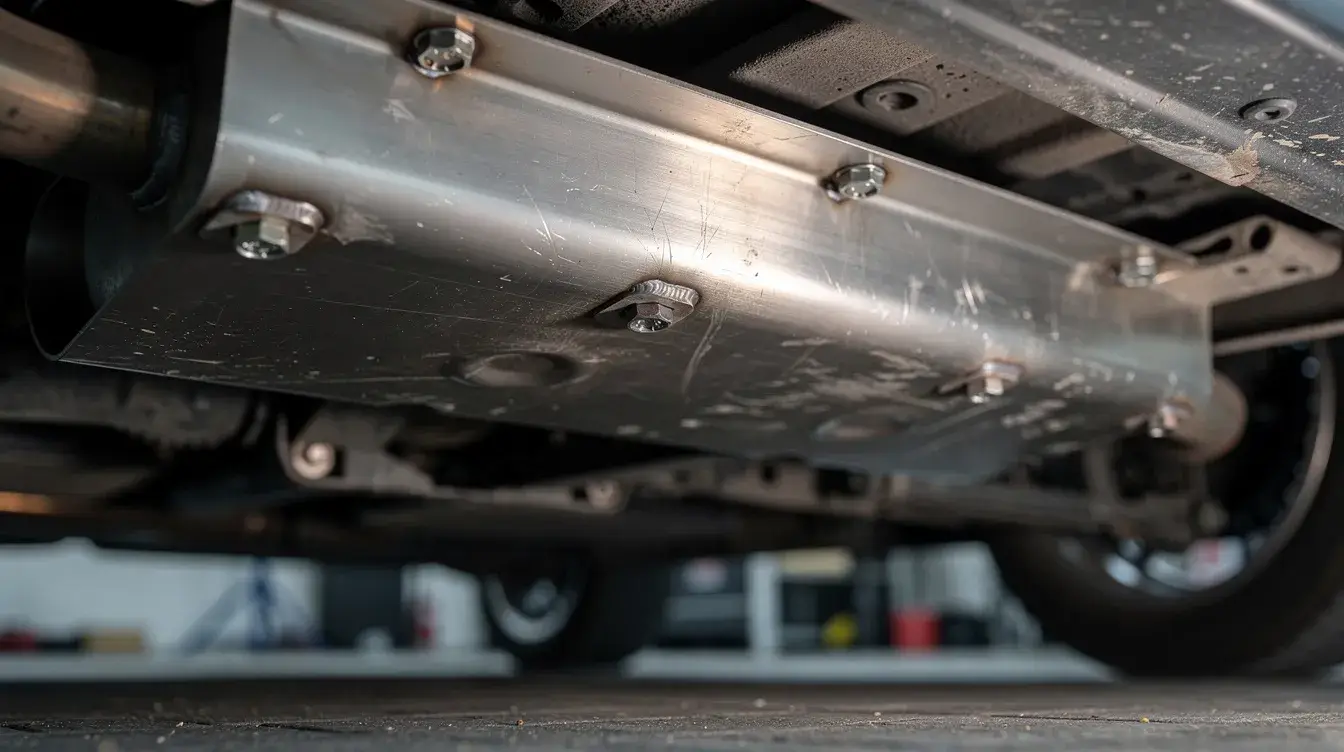
You can’t make a catalytic converter completely unstealable, but you can make your car a far less attractive target. The key is combining several layers of security so that the time and risk for any thief goes up sharply.
Parking and positioning – Use a locked garage whenever possible. If you park on a driveway, position the exhaust side close to a wall, fence or hedge to restrict access for a jack and saw. In public car parks, park in busy, well-lit areas, ideally nose-first against a wall so the converter at the rear is harder to reach. Avoid long-stay parking in quiet corners if you own a high-risk model.
Physical anti-theft devices – Not all cages and shields are equal. Cheap alloy plates and universal cat cages can sometimes be cut through in half the time a determined thief needs. Heavy-gauge stainless steel shields or braided-steel cable systems anchored to the chassis take much longer to defeat. Dealer-approved cat shields – available from your Toyota dealership for Prius and Auris, for example – are purpose-built and use security shear bolts that can’t be removed with standard tools. Always opt for professional installation.
Alarms and electronic security – Tilt and movement sensor alarms that activate when the car is jacked up are a worthwhile investment. A standard factory alarm may not trigger during an underside attack, so check your system’s sensitivity. Battery-powered alarms are cheaper and easier to install, but hard-wired systems are more reliable and less vulnerable. Be aware that some basic sensor alarms can produce false alarms in windy conditions or on uneven ground, so test yours after fitting.
Home security – Fit motion-activated LED floodlights covering your driveway or street parking spot. Wi-Fi CCTV cameras or video doorbells aimed at the vehicle can deter some opportunistic thieves and provide evidence for police. Trim tall hedges and move bins that could hide intruders from view.
Marking and identifying your converter – Forensic marking kits apply an invisible, traceable unique code to the converter surface, and UV-visible window stickers warn thieves it’s registered. Some garages and local police forces run free or low-cost marking events – check your local force’s website or ask your regular workshop. Marked converters are harder to sell into legitimate scrap channels because reputable dealers must check ID and will be wary of identifiable units.
Insurance and documentation – Check your policy to confirm that catalytic converter theft is covered under comprehensive insurance. Keep receipts and photos of any shield, alarm or marking kit you’ve fitted – these support any claim and may even reduce premiums.
If you have a high-risk car you rarely use, or an older vehicle where protection costs more than the car is worth, contact Scrap Local for an instant scrap my car valuation instead of risking repeat converter theft.
Many owners only discover the theft after starting the engine, because the converter is hidden underneath the car.
Do not continue driving once you suspect a stolen catalytic converter. The fumes, noise and risk of further engine damage make it unsafe. Arrange recovery to a garage or, if repair isn’t cost-effective, weigh up salvaging your car in the UK through a licensed ATF via Scrap Local.
While police rarely recover individual converters, reporting and documentation matter for insurance and for tracking crime patterns in your area.
How Scrap Local can help: We collect non-runner cars with a stolen catalytic converter anywhere in the UK, usually same-day or next-day. You get an instant online or phone quote, free collection to a licensed Authorised Treatment Facility, and full DVLA paperwork including a Certificate of Destruction. For newer or high-value cars, we can route the vehicle into our breaker network to recover more value in parts than simple scrap weight.
Many victims use the theft as a trigger to replace an older, uneconomical car. If you’re unsure about the process, our scrap car FAQs explain what to expect, and using a licensed recycler like Scrap Local ensures the old vehicle is depolluted and recycled responsibly.
Once someone has suffered one stolen catalytic converter, repeat thefts are common – especially in high-risk postcodes – unless stronger measures are taken.
Vehicle-specific upgrades – If you own a targeted model like a Toyota hybrid at high risk of theft, Lexus SUV or popular van, speak to a main dealer or trusted independent garage about manufacturer-approved cat shields or security packs. Check that any modification won’t invalidate your warranty or insurance.
Neighbourhood and workplace action – Discuss catalytic converter theft with neighbours and local community groups so people watch for jacks or movement under cars at odd hours. Workplaces and residential blocks should review car park lighting, CCTV coverage and signage to deter converter theft and gangs.
Smart tech – You can’t easily track a catalytic converter itself, but a quality dash cam with parking mode or external CCTV helps capture number plates after the fact. Keep firmware updated and angle cameras toward likely approaches to the car.
Reassessing whether to keep a high-risk car – If you own an older hybrid or van that’s been repeatedly targeted in your area, weigh the cost of ongoing protection against replacing or scrapping the vehicle. Scrap Local can quote for scrap, salvage or breaker value on vehicles in the North West and across the UK via their main scrap my car service.
Policy and industry measures – UK law under the Scrap Metal Dealers Act requires scrap buyers to check ID and keep records, but criminal networks still move stolen converters via rogue channels or export. Only sell scrap metals or old catalytic converters to properly licensed dealers and ATFs – like those on Scrap Local’s network – so you’re not accidentally supporting converter theft.
As metal prices fluctuate and new emissions tech appears, thieves will adapt. Review your security whenever you change vehicles, move house or see new reports of catalytic converter theft in your area.
Scrap Local is both a real vehicle recycling facility in Darwen, Lancashire and a UK-wide marketplace connecting motorists with verified, Environment Agency-licensed scrapyards and Authorised Treatment Facilities, supported by detailed scrap car guides for sellers. We’re not a comparison site – we operate our own yard and know the industry inside out.
Because we also handle catalytic converter recycling and used parts, we can often get better overall value from vehicles like BMW, Mercedes, Audi breakers and parts, Land Rover, Range Rover and Porsche by breaking them for parts rather than paying simple scrap-weight prices.
All buyers on our platform are checked for Environment Agency licences, and we never purchase loose catalytic converters from the public without appropriate documentation, instead focusing on scrap catalytic converter prices for complete vehicles – helping to disrupt the market for stolen converters.
If your car has suffered catalytic converter theft and you want honest advice on whether to repair, sell for salvage or scrap legally and safely, contact Scrap Local. We help vehicle owners in Blackburn, Darwen, Accrington, Burnley, Manchester, Bolton and right across the UK every day.
Yes. Scrap Local regularly collects vehicles with stolen catalytic converters, damaged exhaust systems, or non-running engines across the UK. Whether your car is repairable, uneconomical to fix, or already declared an insurance write-off, we can provide a quote for scrap or salvage and arrange collection from your home, garage or recovery yard.
Absolutely. While a missing catalytic converter will reduce the overall value of a vehicle, Scrap Local can still offer competitive prices based on the remaining weight, reusable parts, and salvage potential. In some cases, newer or premium vehicles may still hold strong breaker value despite the theft damage.
In many areas, collection can be arranged the same day or next day depending on availability. Scrap Local works with a nationwide network of licensed Authorised Treatment Facilities and recovery partners, helping us collect vehicles quickly across England, Scotland and Wales.
No. Scrap Local does not purchase loose catalytic converters from the public without the correct documentation. This helps prevent stolen converters entering the recycling chain and supports responsible vehicle recycling practices in line with UK scrap metal regulations.
Usually, you’ll need proof of ownership and photographic ID. Scrap Local also helps arrange DVLA paperwork and Certificates of Destruction where required. Even if your car is non-running or has suffered severe theft damage, the process is straightforward.
Most comprehensive car insurance policies include cover for catalytic converter theft, although excess fees and claim limits can vary. Scrap Local often helps customers assess whether repairing the vehicle is worthwhile or whether scrapping the car makes more financial sense after a theft.
Hybrid vehicles like the Toyota Prius and Auris are among the most commonly targeted because their catalytic converters contain highly valuable precious metals that experience less wear over time. Vans, SUVs and vehicles with high ground clearance are also popular targets due to easier access underneath.
It is not recommended. A missing catalytic converter causes extremely loud exhaust noise, harmful fumes, and can trigger engine warning lights or further mechanical damage. Most vehicles will also fail an MOT without a catalytic converter fitted.
Yes. Scrap Local only works with licensed Authorised Treatment Facilities and approved recycling partners. Vehicles are depolluted and dismantled in line with Environment Agency regulations, ensuring catalytic converters and other vehicle materials are processed legally and responsibly.
You can get an instant quote online or over the phone by providing your registration number and a few details about the theft damage. Scrap Local can then advise whether the vehicle is best suited for repair, salvage, breaking or scrap recycling.
Founder & MD of Scrap Local
Choose a service & we’ll search our network to find you the best scrapyard for your enquiry!
Scrap Local has hundreds of UK-licensed scrap car buyers ready to buy your scrap car.