Old phones, broken televisions, home appliances, forgotten charging cables and disposable vapes. We all have electronic items we no longer use, but do you know what happens when they are thrown away?
October 14th is International E-Waste Day, a time to raise awareness of the issues with electronic waste and the simple changes we can all make to reduce them.
With millions of tonnes of electrical equipment discarded worldwide every year, recycling electronics properly has never been more important.
E-waste (electronic waste) refers to electrical equipment that has been thrown away, including everyday items such as:
The general rule of thumb is if something has a plug, battery or charging port, it shouldn’t go in your general waste bin.
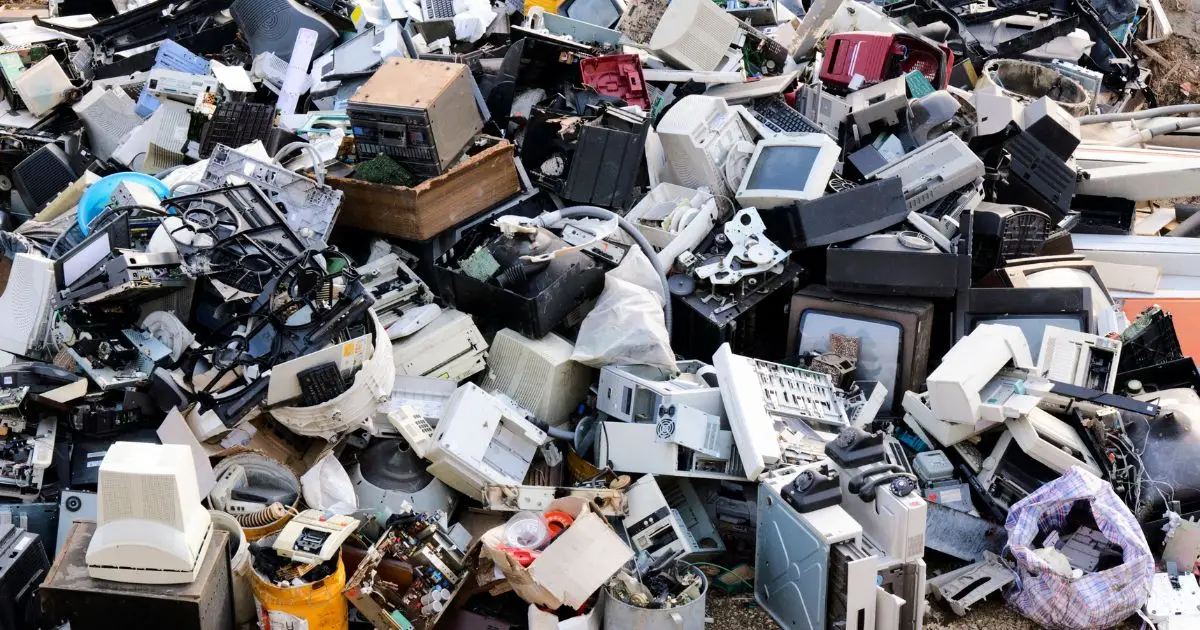
International E-Waste Day was introduced in 2018 by the WEEE Forum, an international association of organisations involved in collecting and recycling waste electronic equipment.
Held annually on 14th October, it encourages people, businesses and communities to reuse, repair and recycle unwanted electronics.
And this is why:
With technology being cheaper and readily available, people are replacing electronic devices far more frequently.
Unfortunately, recycling habits haven’t kept up.
Millions of unused electronics end up in household bins, where valuable materials are lost, and batteries cause dangerous fires.
Lithium-ion batteries are a particular and more prevalent concern at the moment.
They are found in everyday items such as vapes, mobile phones, wireless earbuds and rechargeable electricals; these batteries can overheat and ignite when crushed, punctured or damaged during waste collection and processing.
According to the Environmental Services Association, at least 541 fires at UK waste and recycling facilities were directly linked to lithium batteries in the year to March 2026.
International E-Waste Day aims to change that through education, awareness and teaching better recycling practices.
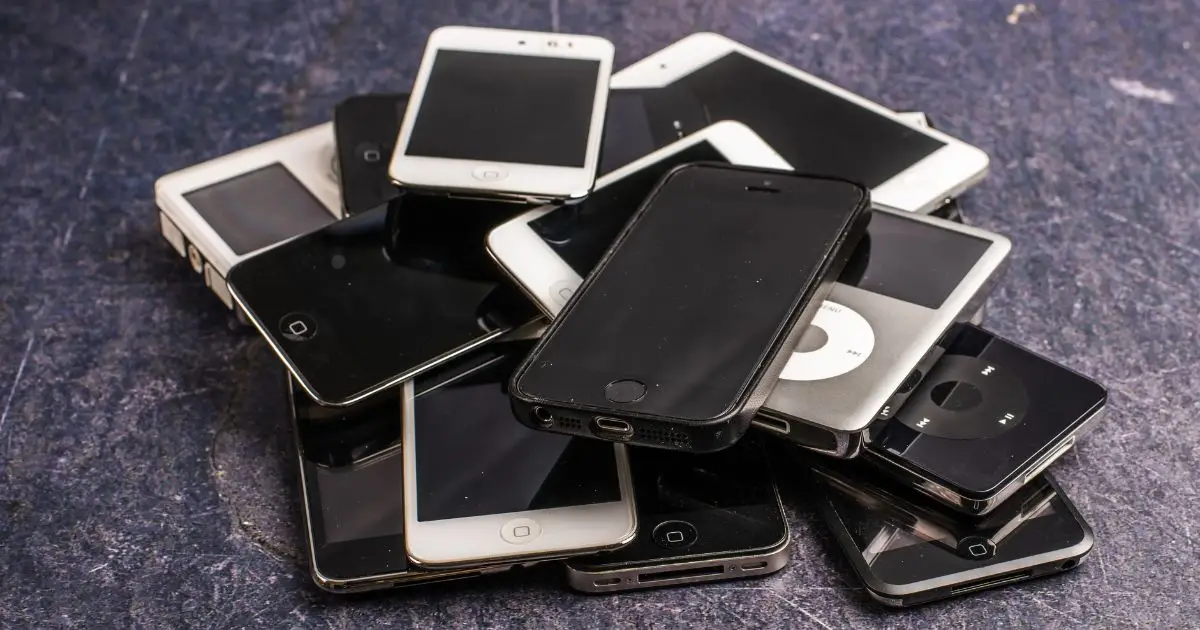
The scale of electronic waste is hard to imagine, so we’ve pulled together some statistics.
According to the United Nations’ Global E-Waste Monitor 2024:
Discarded electronics contain valuable materials, including copper, gold, aluminium and other metals that can be recovered and reused.
When these materials aren’t recycled, valuable resources are lost, increasing the need for further mining and manufacturing.
This is where the circular economy comes in.
Rather than following a ‘take, make, dispose’ approach, a circular economy aims to keep materials and resources in use for as long as possible through repairing, reusing and recycling.
By recovering valuable metals from old electronics, these materials are given a new purpose, reducing the demand for raw materials and minimising the environmental impact by not having to produce new products.
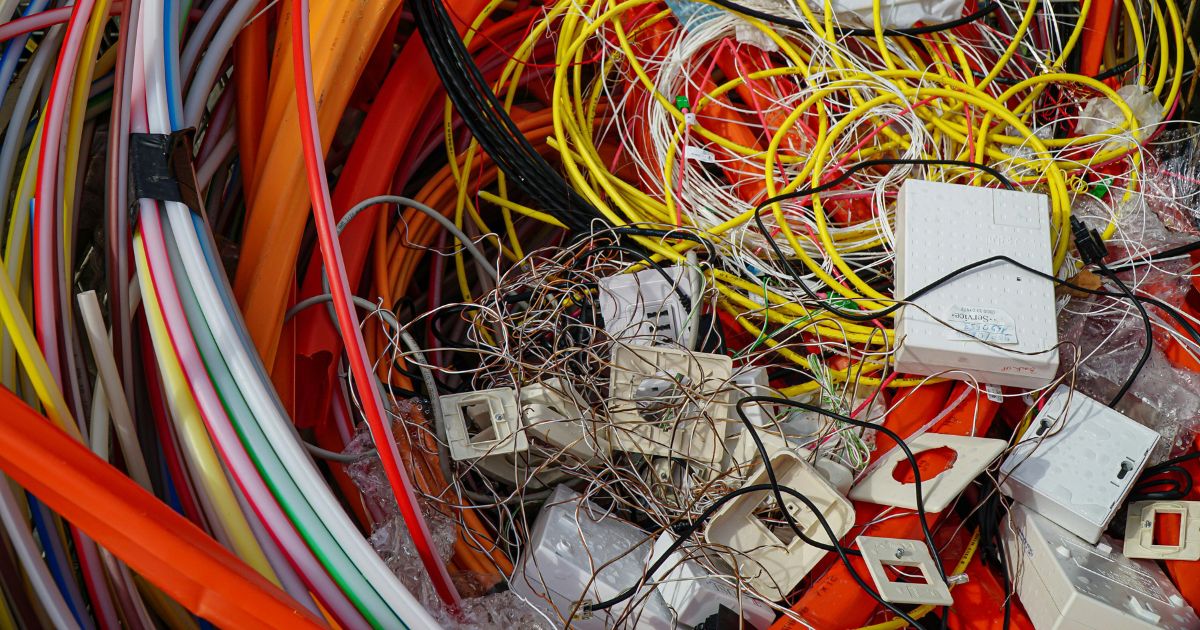
Electrical equipment contains hazardous substances, including lead, mercury and cadmium. If handled or disposed of incorrectly, these materials will contaminate the environment and threaten our own health.
One of the most immediate dangers comes from lithium-ion batteries, which have been a more prevalent concern in the news recently, and something you’ve probably become more aware of as the frequency of fires caused by these batteries increases.
When people throw batteries into household rubbish or mixed recycling, they cause fires in collection vehicles and waste processing facilities.
UK recycling industry campaigns have highlighted hundreds of battery-related fires every year, putting workers, emergency services and recycling infrastructure at risk.
Even a small battery inside a discarded vape can cause a serious fire.
This is a growing concern for scrapyards and recycling facilities across the UK.
What might seem like a harmless item thrown in the bin can have serious consequences for the people and facilities handling our waste.
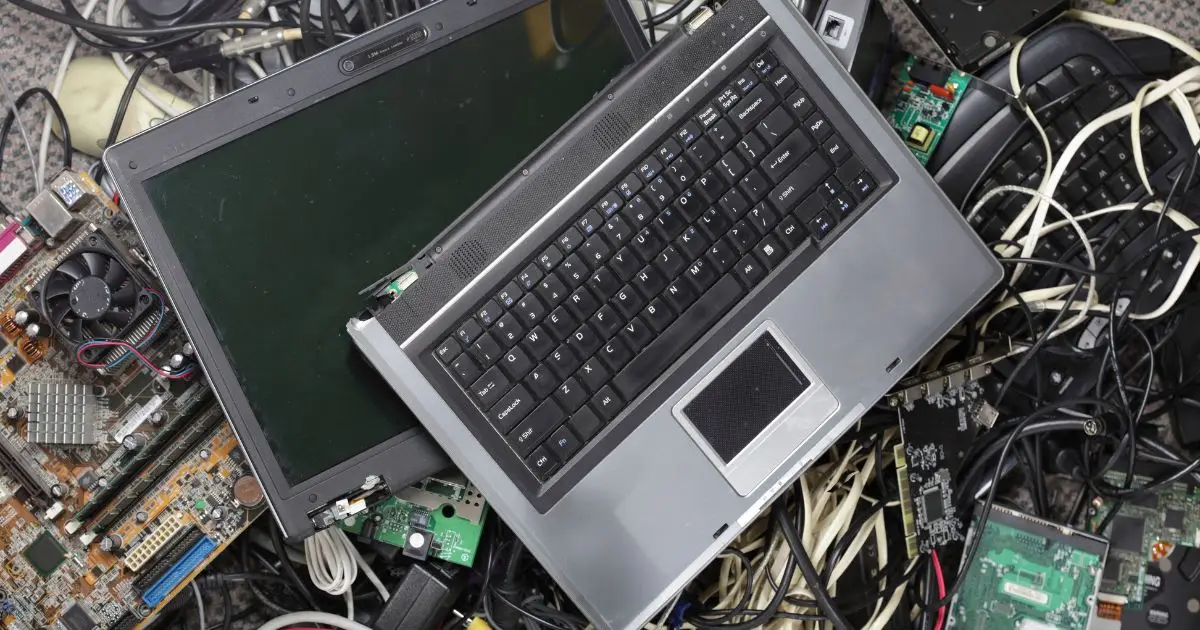
Disposing of unwanted electronics responsibly is often easier than you might think and is why International E-Waste Day is important: to help people understand how to properly dispose of electronics, to avoid further incidents, and unnecessary waste.
The UK government has previously explored the idea of a deposit return scheme for disposable vapes, where customers would pay a small deposit and receive their money back when returning the device for recycling.
The aim is to encourage responsible disposal, reduce litter and prevent dangerous batteries from entering general waste.
Although no scheme has been confirmed, calls for a similar approach continue, including a 2026 parliamentary petition proposing a £5 refundable deposit on vapes and e-cigarettes.
It’s one potential solution to look out for as the UK continues to tackle electronic waste.
If your device still works, consider donating, selling or repairing it rather than replacing it. A lot of places offer trade-ins now for your old mobile or laptop; you’ll get some money off your new phone, and it ensures your old device is refurbished or properly recycled.
Many household waste recycling centres accept electrical equipment, including small appliances and electronics.
Some retailers offer electrical recycling when you purchase a replacement, while larger electrical retailers may accept certain small items without a purchase.
Never place loose batteries or vapes in your general waste or household recycling bin. Use a designated collection point and follow its battery safety instructions.
Before recycling phones, laptops or tablets, back up important files, sign out of accounts and securely erase personal information.
You can find nearby recycling options through Recycle Your Electricals.
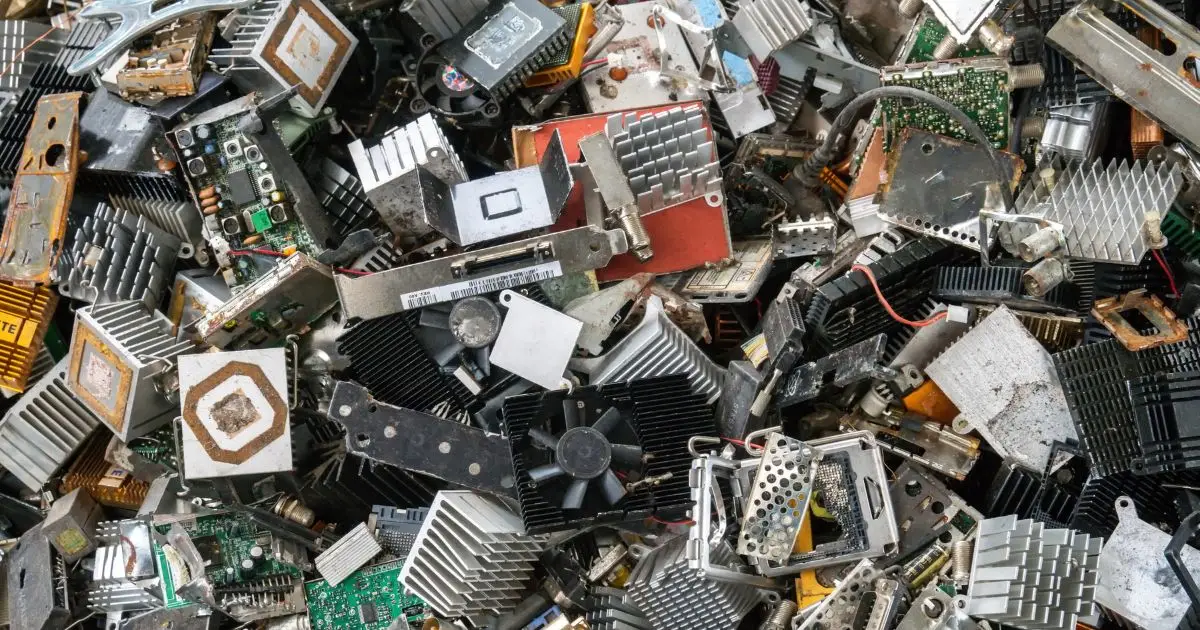
Some scrapyards and specialist recycling facilities accept certain types of electrical waste, but not all do.
A scrapyard that accepts scrap metal isn’t necessarily authorised or equipped to process electrical equipment containing batteries, refrigerants or hazardous components.
Always check with the facility before taking electrical items there.
Scrap Local does not currently accept electronic waste. We specialise in scrap and salvage vehicle collection through our vehicle recycling network.
For unwanted electrical equipment, we recommend using an appropriate local recycling centre or dedicated electrical recycling service.
You don’t need to organise a major event to make a difference.
Don’t underestimate the value of sharing information. Simply reminding someone that batteries and vapes don’t belong in household bins can help prevent a dangerous fire.
Since its launch in 2018, International E-Waste Day has helped attract much more attention to the growing environmental challenge of discarded electronics.
Initiatives such as Recycle Your Electricals have also helped UK households understand what can be recycled and where to take old electrical items.
However, global e-waste continues to increase, and formal recycling rates remain far below what is required.
Small changes will make a big difference
From the smallest charging cable to the largest household appliance, electrical items contain materials that deserve a second life to contribute towards the circular economy.
On International E-Waste Day, take a moment to think about the electronics you own, what you really need to replace and how you’ll dispose of unwanted items.
Repair what you can. Reuse what still works. Recycle what you can’t.
We’ve compiled some FAQs for International E-Waste Day
International E-Waste Day takes place every year on 14th October. It was first introduced by the WEEE Forum in 2018.
Generally, no, you shouldn’t put electrical equipment and batteries into household recycling unless your local council provides a specific collection service for them.
Yes, disposable vapes can be recycled through suitable vape or electrical recycling services. Single-use vapes have been banned from sale and supply in the UK since 1st June 2025, but existing devices still need safe disposal.
WEEE stands for Waste Electrical and Electronic Equipment. UK WEEE regulations establish requirements for the collection, treatment, recovery and recycling of electrical waste.
Absolutely, old mobile phones should be recycled as they contain recoverable materials such as copper, gold and other metals. If your old phone still works though, reusing or refurbishing it is preferable to recycling it immediately.
No. Scrap Local currently specialises in scrap and salvage vehicle recycling, not standalone electrical or electronic waste.
For e-waste disposal, we ask that you use a dedicated electrical recycling service or an appropriate local recycling facility.
Founder & MD of Scrap Local
Scrap Local has hundreds of UK-licensed scrap car buyers ready to buy your scrap car.