Are you not sure what’s wrong with your car? You’re not alone. Every day, we speak to people who say their car is “making a noise” or that “there’s smoke, but I don’t know where it’s coming from or what it means.”
This guide breaks down the most common car symptoms, from strange sounds and smells to warning lights and smoke, to help you identify what might be wrong and whether it’s a serious issue or not.
We’ve grouped everything together by symptom type, with quick-reference details on the likely cause, average cost to repair, and when it might be better to scrap. Use it as a starting point if you’re unsure whether to book a repair or get a scrap quote.
Likely causes include having a loose heat shield, worn suspension parts or a damaged exhaust system. If it gets louder over bumps or at higher speeds, it’s likely suspension-related.
Cost to fix: From £60 – £250 depending on the part and vehicle make.
This is often caused by low oil levels or worn valve train components. If you hear this at idle or under acceleration, check your oil immediately.
Cost to fix: Topping up oil is a cheap and easy fix, between £10 and £20, but valve repairs can be anywhere between £300 and £1000+.
This is usually caused by a vacuum leak or air escaping from a loose intake pipe. Common in turbocharged vehicles. It can cause poor performance and engine warning lights.
Cost to fix: Vacuum hoses or clamps range from £50 t0 £150, whereas turbo air leaks could exceed £500.
Can point to worn shocks, broken suspension mounts, or, in more serious cases, internal engine damage like crankshaft wear.
Cost to fix: Suspension is typically £200 to £500 and engine internals tend to be over £1000, usually uneconomical to repair.
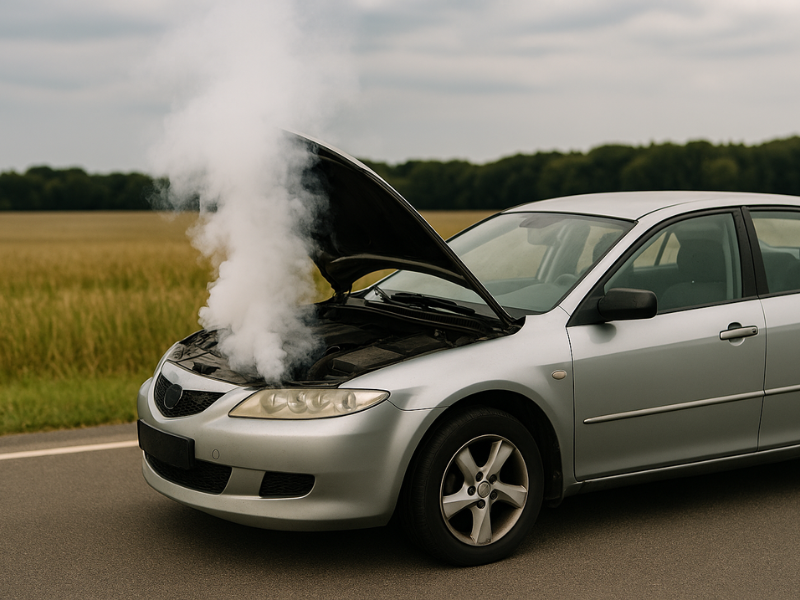
If it’s persistent, it could mean a possible turbo failure or a coolant leak into the engine (head gasket issue). Short puffs on start-up are often just condensation.
Cost to fix: Head gasket: £600 to £1,200. Turbo replacements are between £500 and £1,500, so both are quite expensive fixes.
This is burning oil, which is caused by worn piston rings, valve seals, or turbocharger issues. This is usually accompanied by increased oil usage.
Cost to fix: Engine rebuild or turbo repair may cost between £1,000 to £3,000+.
This is caused by overfuelling your vehicle. It could be caused by a blocked air filter, a faulty sense, or an injector issue. Usually worse on acceleration.
Cost to fix: An engine rebuild or turbo repair could cost between £1,000 to £3,000+.
Stop driving immediately if you notice this. Smoke from the engine bay could be caused by oil or coolant hitting a hot component, or a potential electrical fire. Get it checked or recovered ASAP.
Cost to fix: This depends on the cause as oil leaks tend to cost £100, but fire damage can be uneconomical to repair.
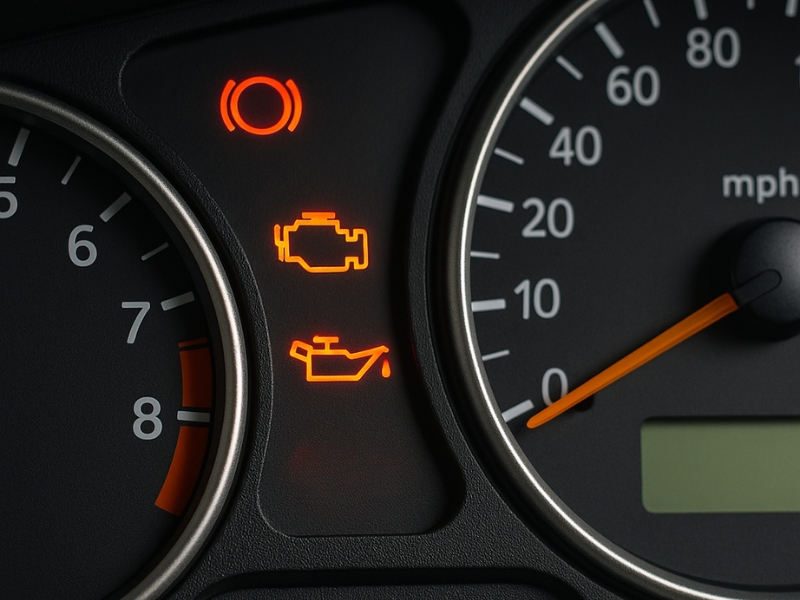
Solid light: Likely a minor emissions or sensor issue
Flashing light: Misfire or urgent fault, stop and get checked.
Cost to fix: Diagnostic checks cost between £50 to £90, with repairs ranging from £100 to £800.
Pull over immediately. This means your engine in not getting enough oil. Driving further can cause major damage.
Cost to fix: It could be as simple as low oil, so refill for £20, or if it’s more serious, like an oil pump failure, this could cost you upwards of £500.
This often means that your alternator isn’t charging the battery. You may loose power to electronics soon.
Cost to fix: A new alternator can cost between £200 and £500, with a battery ranging from £80 and £150.
It can indicate a sensor fault or brake fluid issue. Brakes may still work, but stability control could be disabled.
Cost to fix: Brake sensors from £100. ABS module can cost £500+.
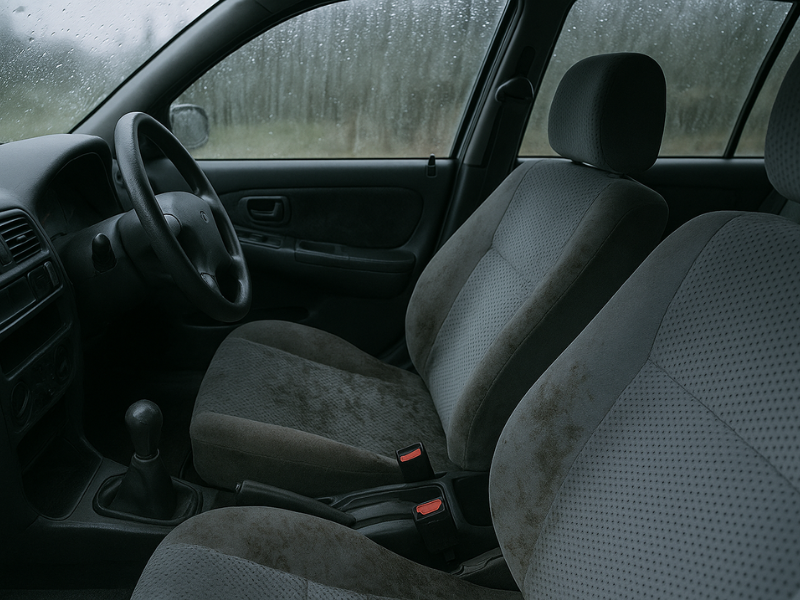
This is typically caused when the clutch or brakes overheat. It could also be oil dripping onto hot components.
Cost to fix: Oil leaks tend to be in the range of £50 to £200, with a new clutch between £500 and £1,200
This is probably a coolant leak which often comes through air vents if it’s leaking into the heater matrix.
Cost to fix: £100 to £600, depending on the location and severity.
Catalytic converter or fuel mixture issue, which would need diagnostic attention.
Cost to fix: New catalytic converters tend to be in the range of £300 and £1,000.
Often caused by a blocked cabin filter or drainage channels. Check under mats and around the windscreen.
Cost to fix: Filter replacements cost between £30 and £50, whilst drainage cleanups can cost £80+ or DIY.
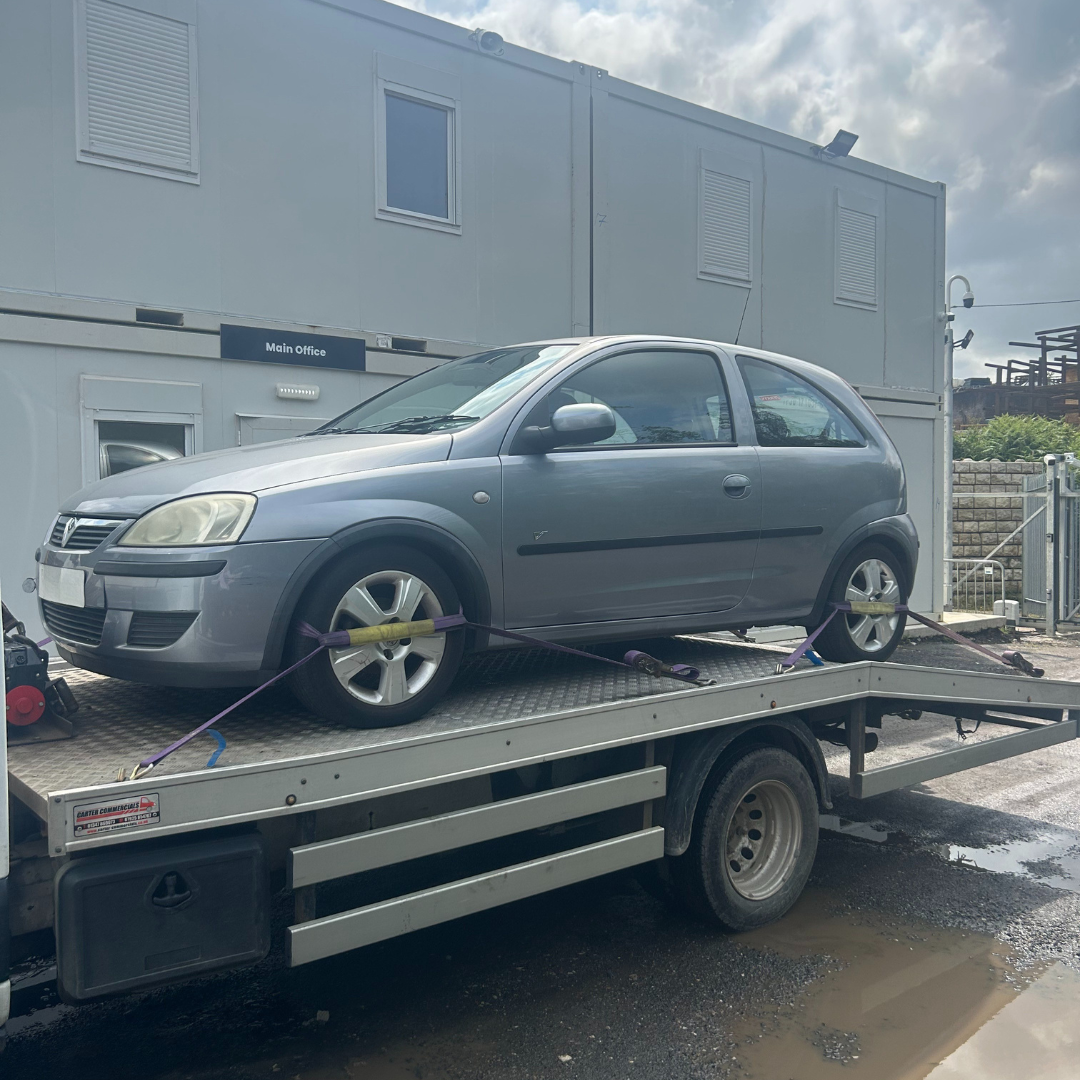
If your car has:
Scrapping it is probably the smarter option.
If it’s just a minor leak or fixable issue and the car has value, repairs could still be worth it. You can always get a free, no obligation quote from Scrap Local to compare your options.
There’s no need to guess what’s wrong with your car. At Scrap Local, we will help assess your vehicles condition and offer a guaranteed price, without requiring a diagnosis. We offer free collection, handle the paperwork, and ensure a hassle-free process.
Below are some common issues with vehicles and what they could mean.
It could be worn suspension, engine damage, or broken mounts. A mechanic can narrow it down based on when it occurs, such as when you’re driving, idling, or going over bumps.
Persistent white smoke can indicate a turbo or head gasket issue. If it only happens briefly on a cold morning, it’s likely just condensation.
This is usually caused by overheated brakes or clutch, oil leaks, or electrical faults. If it’s strong or accompanied by smoke, get it checked immediately.
Frequent breakdowns usually mean rising repair costs. If your car’s value is low and reliability is affecting your life, scrapping could save you money and stress.
Warning lights, visible smoke, strong smells, or sudden loss of power all point to serious problems. If you’re unsure, don’t drive it; get a mechanic or scrap specialist involved.
Founder & MD of Scrap Local
Choose a service & we’ll search our network to find you the best scrapyard for your enquiry!
Scrap Local has hundreds of UK-licensed scrap car buyers ready to buy your scrap car.