Over a million vehicles are scrapped in the UK each year, yet for many drivers, it’s an unfamiliar process.
Most people only need to scrap a vehicle once or twice, so not knowing how it works, what’s required, or what good service should look like is common.
That lack of familiarity is why so many drivers look to reviews before taking the next step, to see how a service performs in practice.
Our guide explains how scrapping and salvaging vehicles actually works, what to look out for, and why drivers across the UK rate Scrap Local highly for doing things properly.
Rated by thousands of drivers, Scrap Local has 4.8/5 on Google and 4.6/5 on Trustpilot.
One useful thing to know early on is that scrap values fluctuate. When fewer vehicles are being scrapped, prices are often higher. Factors such as repair costs, emissions rules and market demand all play a part.
We explain this in more detail in our guide on what affects scrap car prices, along with when scrap prices are typically highest.
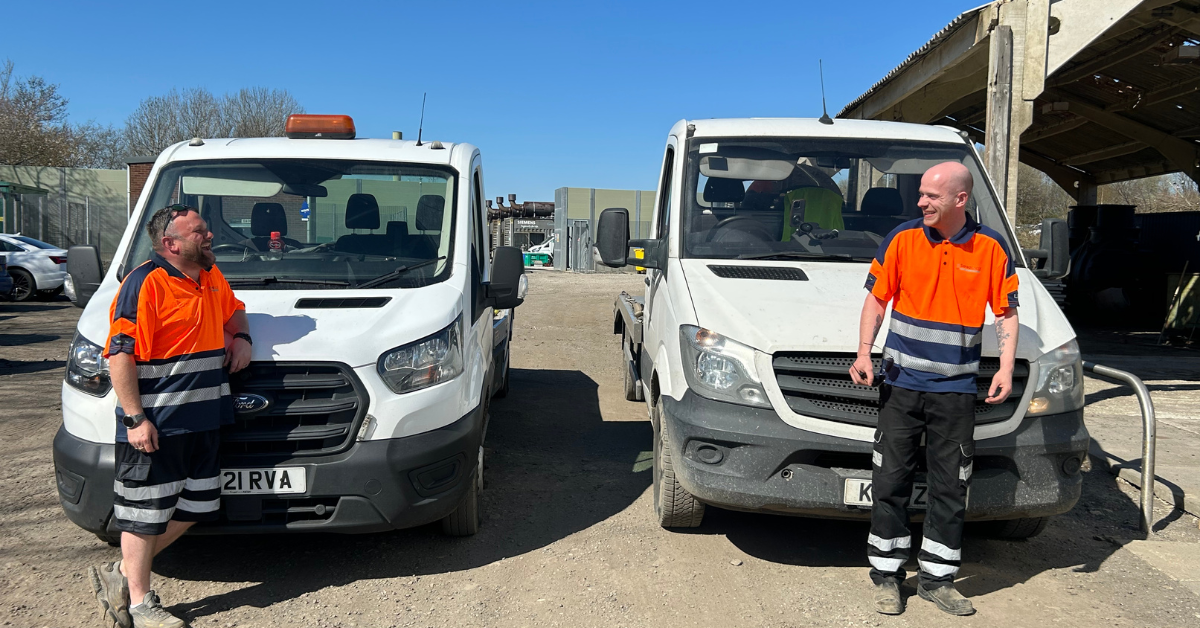
Scrapping a vehicle is a straightforward process. The hesitation many drivers feel often stems from industry stereotypes rather than the reality of how scrapping works today.
Common concerns include price changes after collection, missed pickups, or uncertainty about when payment will be made.
In practice, most issues are due to poor communication.
Many of our reviews mention being kept informed at every stage, from the initial quote through to collection and payment.
With Scrap Local, a clear quote, a confirmed collection time and an agreed payment process removes uncertainty and makes scrapping a vehicle simple.
If payment is something you’re particularly cautious about, there are a couple of sensible steps that can help.
This is advice we regularly give customers and is reflected in feedback that highlights clear explanations and prompt payment:
These small checks give you a clear record and added confidence that everything has been handled properly.
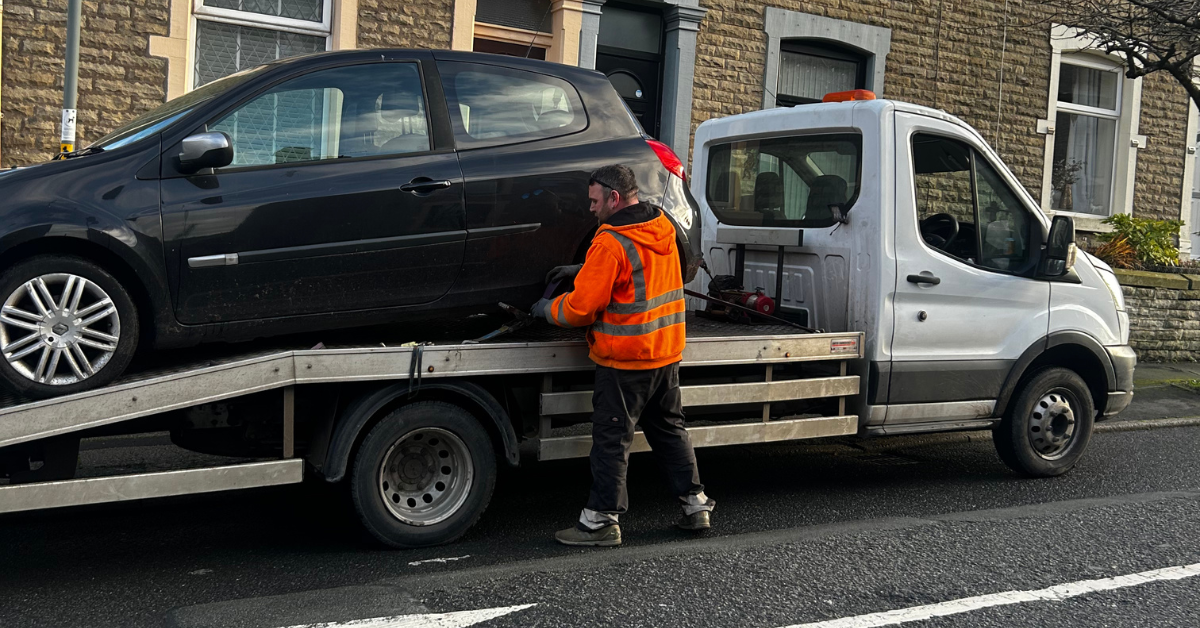
Knowing whether to scrap, sell for salvage, part exchange or sell privately comes down to a few factors.
Understanding these differences helps you make a practical decision based on your vehicle.
Here’s when each option usually makes the most sense:
Scrap your vehicle when it is no longer economical to repair, has failed an MOT with costly faults, or has reached the end of its usable life. Scrapping is usually the quickest option with the least effort involved.
Sell your vehicle for salvage when it is damaged, written off or uneconomical to fix, but still has value in parts and they are usually under 12 years old. This offers better returns than scrapping without the hassle of a private sale.
Part exchange can work if you are buying another vehicle and value convenience over price. However, older, damaged or faulty vehicles are often undervalued compared to scrap or salvage prices.
Private sale is usually best for running vehicles in reasonable condition.
However, private sales tend to come with advertising fees, and sometimes you don’t get as much as you’d hoped.
For damaged or non-running cars, it often involves more time, enquiries and negotiation.
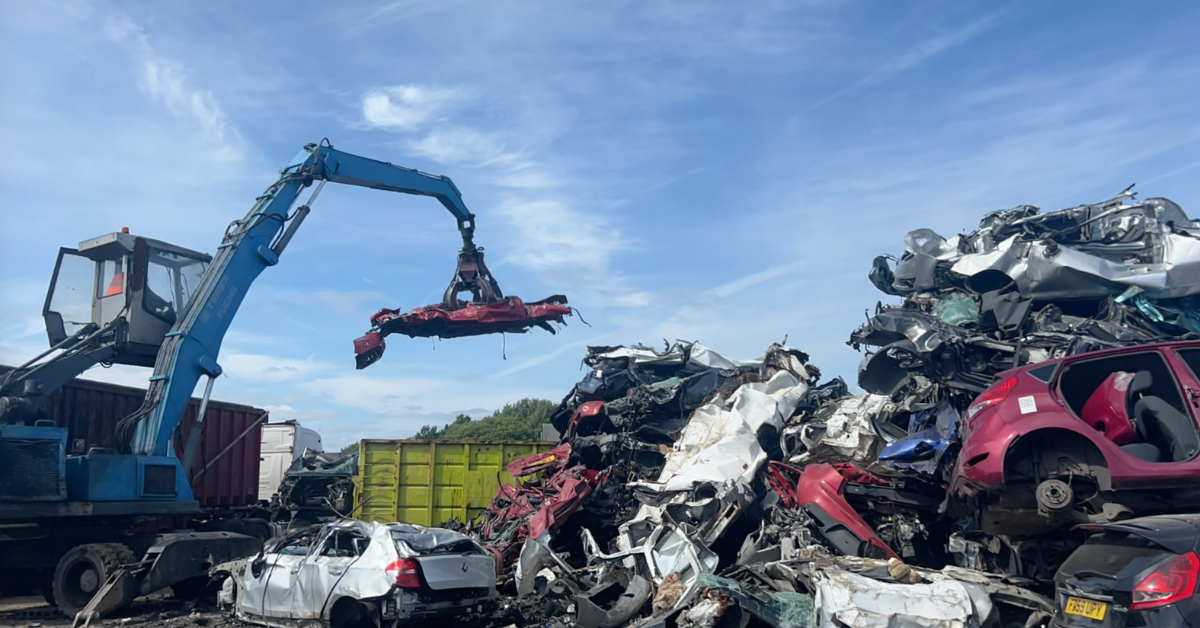
An Authorised Treatment Facility (ATF) is legally approved to depollute and recycle end-of-life vehicles correctly.
Using an ATF ensures hazardous fluids are removed safely, vehicles are processed in line with regulations, and a Certificate of Destruction is issued where required.
You can check whether a site is an ATF through official registers, and any legitimate service should be transparent about how and where vehicles are processed.
Scrap Local operates an ATF at our yard in Darwen and also works with trusted ATFs across the UK.
This allows vehicles to be handled correctly, whether they are processed locally or through our wider network.
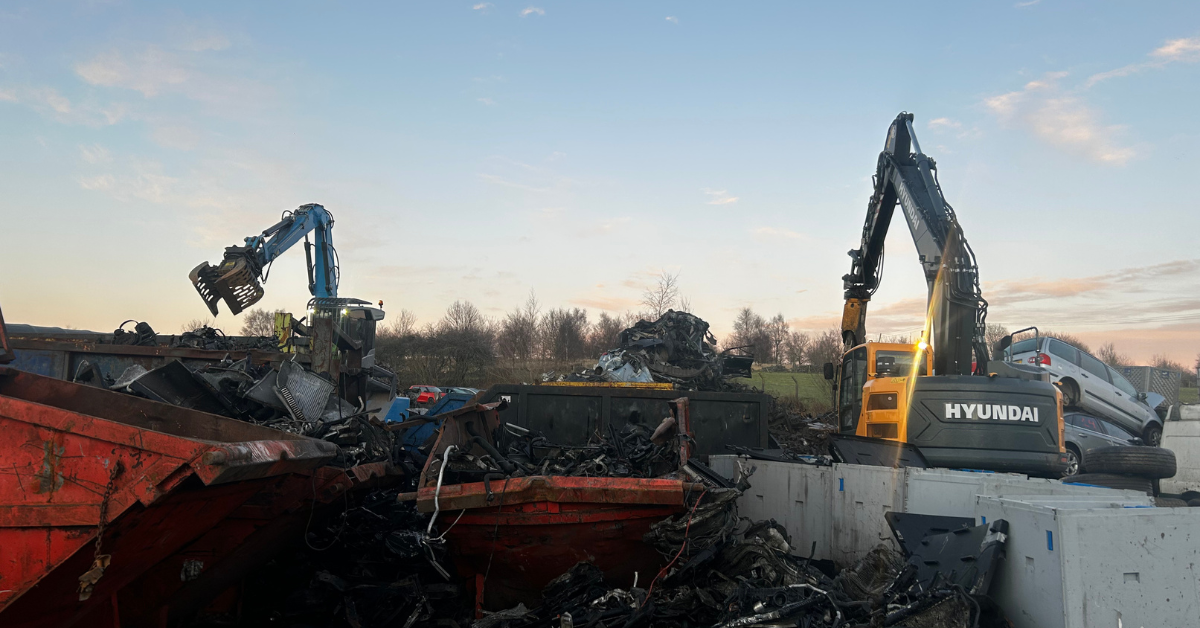
Customer reviews give a clear picture of what it’s actually like to scrap or sell a vehicle with Scrap Local. Rated Excellent on Trustpilot and highly on Google, feedback consistently reflects how we operate day to day, from the first enquiry through to payment.
Across reviews, customers regularly mention:
These points reflect how Scrap Local handles collections and payments in practice, and why so many drivers feel confident choosing us when it’s time to scrap or sell a vehicle.
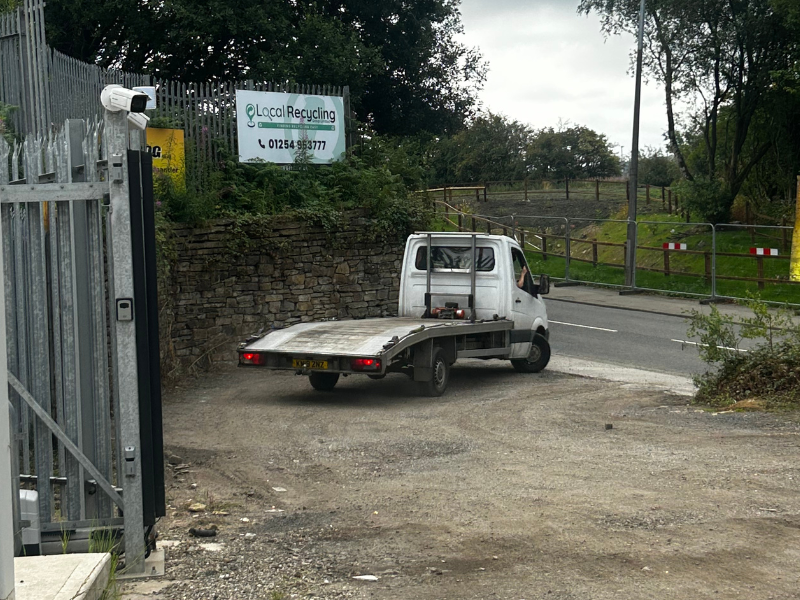
Not every vehicle needs to be scrapped. Cars that are damaged, written off or uneconomical to repair can often be sold for salvage instead.
Selling for salvage through Scrap Local follows the same clear process as scrapping, just with added photos of your vehicle. They are sent to trusted agents in your area, allowing competitive local bids without you needing to call around or negotiate. There are no listing fees and no ongoing back-and-forth.
If you’re unsure whether scrapping or salvage is the better option, requesting a quote can help you understand the value of your vehicle before deciding. If we believe your car is worth more, we’ll ask for images.
Drivers choose Scrap Local because the process is clear, consistent and reliable, something reflected in the feedback we receive daily.
We focus on clear pricing, straightforward collections, working with ATFs and making sure your payment is handled as agreed.
Whether you’re scrapping a vehicle or selling it for salvage, the aim is the same: a process that works as expected, without unnecessary complications.
That’s scrapping made simple.
We’ve answered some common questions surrounding car scrapping with Scrap Local. For more information, please visit our FAQ page.
A Certificate of Destruction confirms that a vehicle has been scrapped and recycled at an Authorised Treatment Facility in line with legal requirements.
It is typically required for insurance write-offs and for certain schemes such as ULEZ or other vehicle replacement grants, as it provides official proof that the vehicle has been permanently taken off the road.
Where required, it is issued once the vehicle has been fully processed and confirms that you are no longer responsible for the vehicle.
If a Certificate of Destruction is not required, you can indicate this on our forms.
In these cases, the vehicle may be broken for parts rather than fully scrapped, which can sometimes result in a higher return than the standard scrap price, depending on the vehicle.
For older, damaged or non-running vehicles, scrapping is often more straightforward than part exchange.
Part exchange values are usually tied to purchasing another vehicle and may be reduced if faults are found.
Scrapping removes those conditions and is often quicker, with fewer steps involved.
Vehicles that are damaged, written off or uneconomical to repair can often be sold for salvage if they still have value in parts.
Selling for salvage can offer better returns than scrapping, without the time and uncertainty that often comes with private sales.
A reliable scrap vehicle service should be clear about pricing, explain how the process works, and use Authorised Treatment Facilities.
Consistent customer feedback, clear communication and realistic expectations around collection and payment are strong indicators of a service you can trust.
Payment times should be explained clearly before collection.
With Scrap Local, payment is made between 5 – 7 pm every weekday, so you know when to expect it once your vehicle has been collected.
Founder & MD of Scrap Local
Choose a service & we’ll search our network to find you the best scrapyard for your enquiry!
Scrap Local has hundreds of UK-licensed scrap car buyers ready to buy your scrap car.