Car safety standards are changing fast. Features like automatic emergency braking, lane assist, and blind spot detection are now standard in most new vehicles. If your car is over 10 years old (made before 2015), it is probably missing these life-saving tools.
Around 38% of cars involved in fatal accidents in recent years were over 10 years old, according to the Department for Transport. This statistic alone proves the risks associated with driving older vehicles.
In this guide, we’ll explore whether your car remains roadworthy in 2025, identify any safety features it may lack, and determine when scrapping may be the best option.
Newer cars are packed with advanced safety tech. Older cars? Not so much.
If your vehicle lacks crash avoidance features, struggles with MOT tests, or feels outdated, it may no longer meet modern safety standards.
Read on to find out whether your car is worth keeping or not.
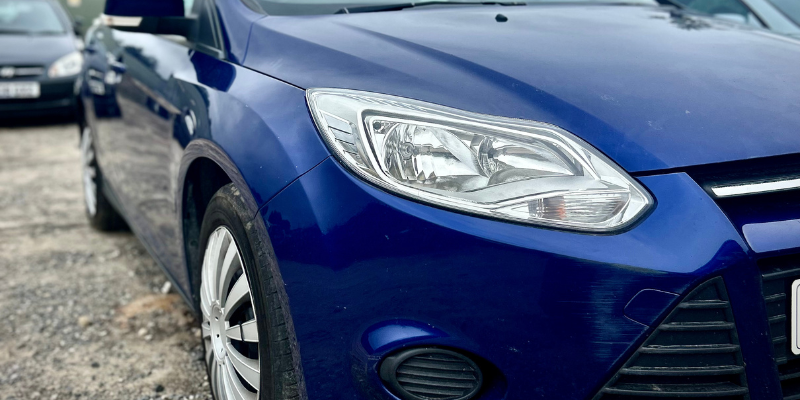
Modern cars in 2025 come with features that significantly reduce accidents, especially in urban areas and on motorways.
Cars built after 2022 are more likely to have them, thanks to updated EU and UK safety regulations.
Many now include:
Did you know? AEB alone can reduce rear-end collisions by up to 38%, according to Thatcham Research.
If your car was registered before 2012, you might be missing:
You might think your car is reliable, but in a crash, it will not offer the same protection as newer vehicles.
Are you still driving a pre-2012 car? It could be worth more in scrap than you think!
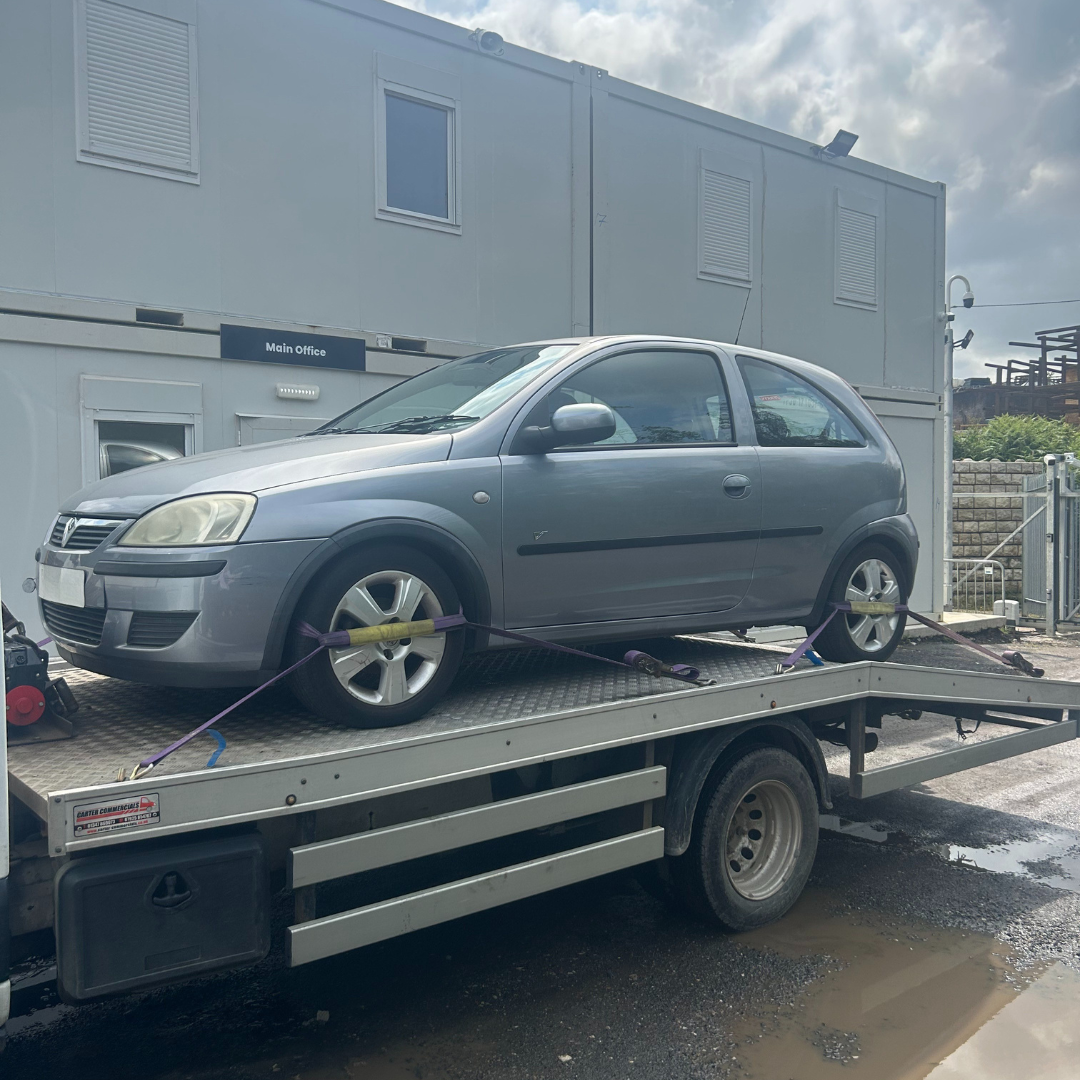
The MOT doesn’t test for modern safety tech, but it will flag issues like:
A failed MOT due to safety concerns is often the final nudge to scrap an old car.
Check your tax band too, higher VED rates apply to less efficient, older vehicles.
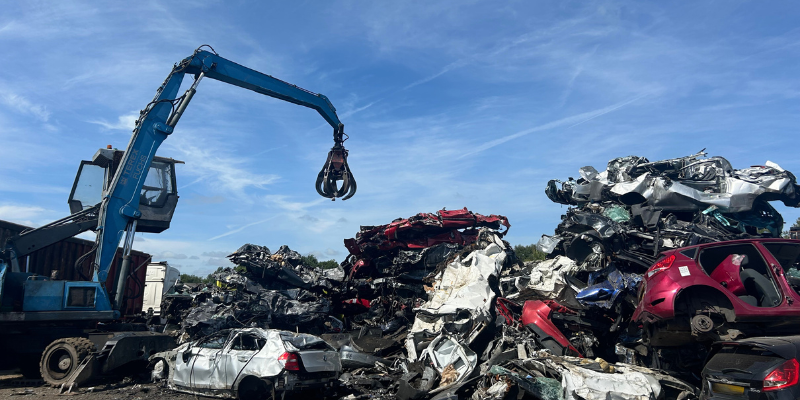
Based on Euro NCAP and consumer safety reviews, these cars rank lowest in safety for 2025, particularly in crash protection and missing modern safety tech:
These models lack critical crash safety improvements, have poor structural integrity, and scored poorly in Euro NCAP tests. If you’re still driving one, it might be time to reconsider.
Have you got one of these models? It might be time to trade it in for scrap.
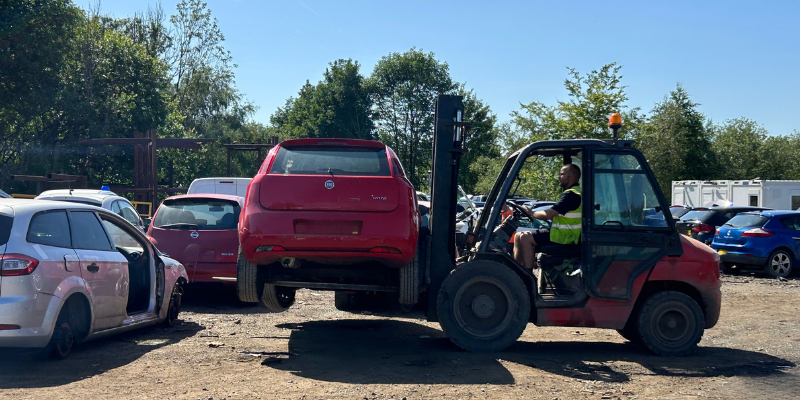
We know it’s easy to say “Just upgrade your car”, but we also understand that not everyone has the budget for a brand-new vehicle. Fortunately, there are safer, more affordable options out there.
Here are 5 budget-friendly alternatives that still offer strong safety ratings and modern features like electronic stability control, airbags, and even basic lane assist or AEB in some trims:
Did you know?
Cars with stronger safety ratings often come with lower insurance premiums, especially for younger drivers or families. Some may also fall into lower VED tax bands due to improved emissions and fuel efficiency, saving you money in the long run, and of course, keeping you safe.
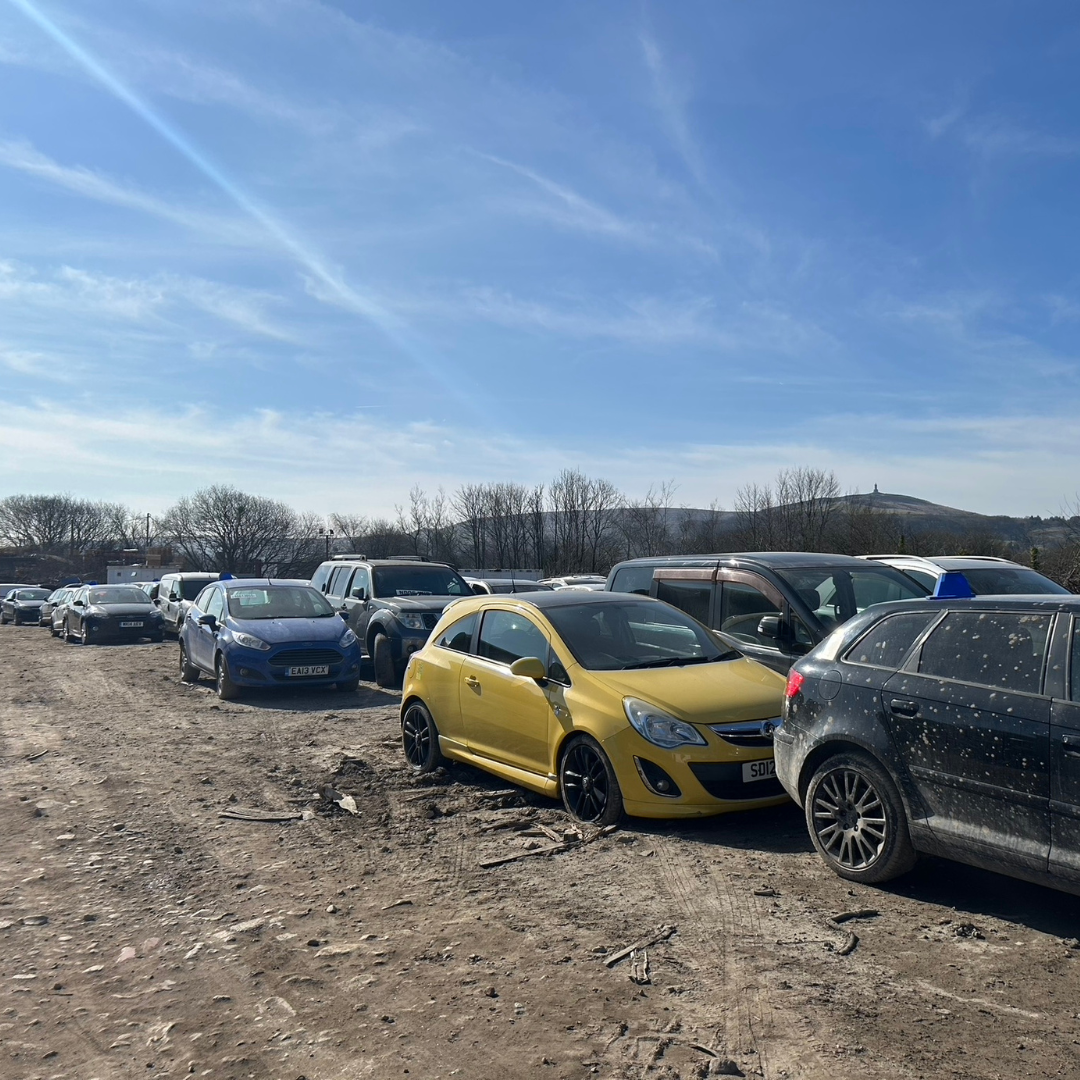
If your vehicle:
…it might be safer to scrap it.
Use our Fix or Scrap guide to help you decide.
Scrap Local offers:
Scrap your car now and stay safe on the roads.
If your car is missing crucial features or starting to let you down mechanically, it might be time to let it go.
Check your car’s condition, review its safety, and compare its worth with a scrap quote. The roads are evolving, and your car needs to keep up.
With Scrap Local, you will receive a guaranteed quote, free collection on a day that suits you, and customer support at every step.
Not always. Older cars lack features like AEB and blind spot detection, which prevent accidents and save lives.
The safest cars in 2025 should have lane assist, crash detection, rear sensors, and emergency braking.
Yes, if it passes MOT, but it may be more dangerous in a crash or risky in moor driving conditions.
Not directly, but older, less efficient cars often fall into higher VED tax bands.
If safety systems are lacking and repair costs are high, scrapping is often the smarter choice.
Founder & MD of Scrap Local
Choose a service & we’ll search our network to find you the best scrapyard for your enquiry!
Scrap Local has hundreds of UK-licensed scrap car buyers ready to buy your scrap car.