The UK scrap metal market remains dynamic and ever-changing as we move through 2026. Prices fluctuate regularly due to global demand, currency movements and energy costs, making it essential to stay updated whether you’re an experienced dealer, a tradesperson, or simply clearing out unwanted metal from your home.
If you’ve ever asked yourself, “What are the current scrap metal prices in the UK?” or “Where can I get the best scrap metal prices near me?”, this guide will provide you with all the insights you need to stay up-to-date in today’s current market conditions.
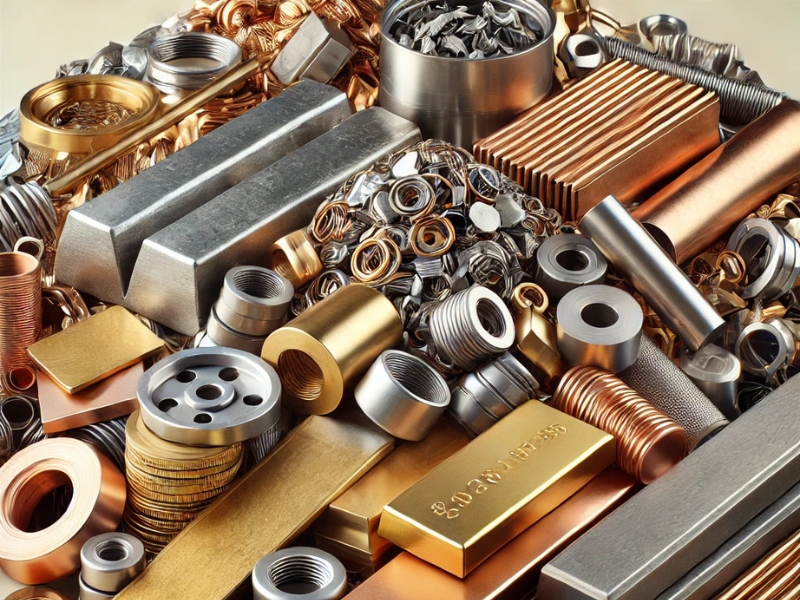
Several key factors influence scrap metal prices, including:
Economic shifts, international trade, infrastructure projects and manufacturing demand continue to impact metal values.
The value of the British pound against global currencies affects import and export competitiveness.
Higher energy and processing costs can influence the overall scrap market
Ferrous metals (containing iron) tend to fetch lower prices compared to non-ferrous metals (like copper and aluminium), which are valued for their durability and resistance to corrosion.
The price per tonne remains an important consideration for sellers handling larger quantities of metal. As of early 2026, typical ranges include:
Ferrous Metals: Approximately £120 – £220 per tonne
Non-Ferrous Metals: Higher due to stronger demand, with copper, brass and aluminium continuing to command premium rates.
Prices can vary daily, so it’s always advisable to check current local rates for the most accurate information.
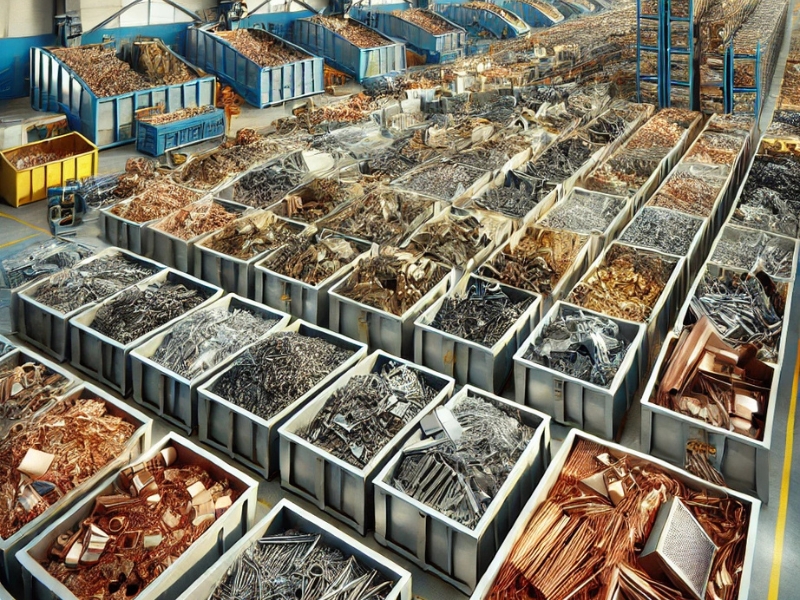
Scrap metal prices can vary by region depending on processing costs, demand and competition. Areas such as Manchester, London and Birmingham may experience slight fluctuations compared to rural regions.
If you’re searching for “scrap metal prices near me”, checking local rates remains the most reliable way to secure competitive pricing.
While many scrap yards quote prices per tonne, understanding prices per kilogram is helpful for smaller quantities.
For example, if scrap steel is valued at £200 per tonne, this equates to approximately £0.20 per kilogram.
Non-ferrous metals such as copper and brass are typically priced significantly higher per kg due to sustained industrial demand.
Non-ferrous metals continue to lead the market in 2026 due to infrastructure growth, renewable energy projects and ongoing industrial demand.
When searching for “non-ferrous scrap metal prices today UK”, it’s important to differentiate between grades and conditions, as rates vary accordingly.
Scrap metal prices also influence the value of end-of-life vehicles. Since scrap cars are largely valued based on weight and metal content, fluctuations in steel and non-ferrous markets can directly impact vehicle scrap prices.
Understanding metal market trends can therefore provide useful context if you’re considering scrapping a car in 2026.
To get the best rates for your scrap metal, keep the following tips in mind:
By regularly checking the scrap metal prices page, you can save time and maximise your earnings.
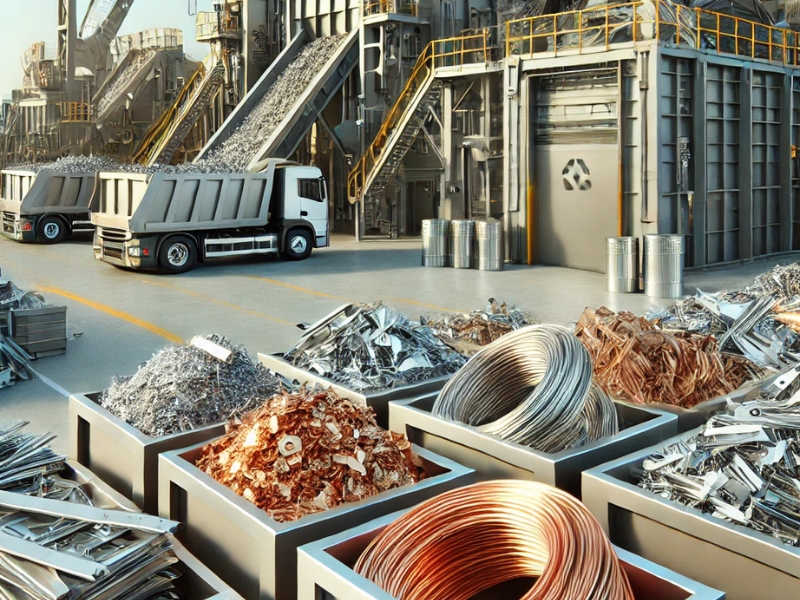
The UK scrap metal market in 2026 continues to be influenced by:
Infrastructure investment
Non-ferrous metals remain strong, while ferrous pricing continues to fluctuate alongside global steel demand.
Staying informed about scrap metal prices is essential, whether you’re selling ferrous or non-ferrous materials. By understanding the factors affecting pricing, checking local rates and monitoring current trends, you can make informed decisions in today’s market.
If you’re researching “scrap metal prices today” or looking for updated UK rates, this guide provides a clear overview of what to expect in 2026.
If you’re new to scrap metal recycling or looking for ways to get the best prices, these frequently asked questions can help you navigate the process with confidence:
Scrap metal prices in the UK are influenced by several key factors in 2026:
As of early 2026, typical UK scrap metal price ranges include:
Actual prices vary depending on location, quantity, quality and market conditions. For the most accurate figures, always check current local rates.
Non-ferrous metals such as copper, aluminium and brass are generally more valuable because they:
Ferrous metals (like steel and iron) are more abundant, which typically results in lower prices per tonne compared to non-ferrous materials.
To secure competitive scrap metal prices in 2026:
Local pricing can vary depending on demand and processing capacity, so checking current rates in your area remains the best approach.
Scrap yards typically:
For example, if steel is priced at £200 per tonne, that equates to approximately £0.20 per kilogram.
Higher-value metals such as copper are priced significantly higher per kg due to demand and resale value.
In 2026, key trends influencing the UK scrap metal market include:
Non-ferrous metals remain particularly strong due to ongoing electrification and construction demand, while ferrous pricing continues to move alongside global steel production levels.
Founder & MD of Scrap Local
Choose a service & we’ll search our network to find you the best scrapyard for your enquiry!
Scrap Local has hundreds of UK-licensed scrap car buyers ready to buy your scrap car.